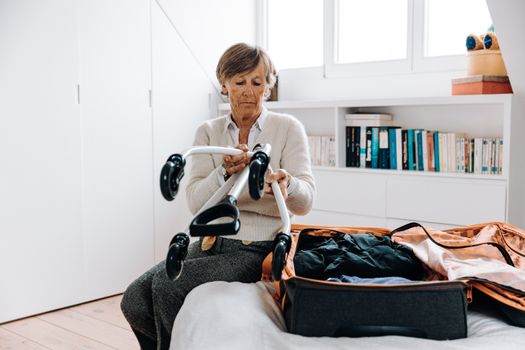
Planning Trips for Seniors: Advanced Strategies for Managing Jet Lag and Health Concerns
Travel can be one of life’s greatest joys, especially in retirement. Seniors often have more time and resources to explore new destinations, visit family, or tick off bucket-list adventures. However, planning trips for older adults requires more nuance than simply booking flights and hotels. Jet lag, underlying medical conditions, and the unique physiological needs of seniors must be addressed for safe, enjoyable experiences. This guide explores advanced, often-overlooked strategies for planning senior travel, with a focus on minimizing jet lag and maximizing health.
The Science of Jet Lag: Why Seniors Are More Vulnerable
Jet lag is a disruption of the body’s internal clock (circadian rhythm) caused by rapid travel across time zones. While anyone can experience jet lag, seniors are more susceptible due to age-related changes in sleep patterns and slower physiological adaptation.
A 2022 study published in "Frontiers in Aging Neuroscience" found that seniors take an average of 1.8 days longer to recover from a six-hour time zone shift compared to adults under 40. This slower adjustment increases the risk of sleep disturbances, daytime fatigue, and confusion—factors that can compound existing health issues.
Moreover, seniors are more likely to have chronic conditions, such as hypertension or diabetes, which can be exacerbated by disrupted sleep and irregular medication timing. Understanding these physiological challenges is crucial when planning trips for seniors.
Pre-Trip Preparation: Building a Travel-Ready Health Foundation
The journey to a successful senior trip begins well before departure. Here are essential pre-trip strategies that go beyond the basics:
1. $1 Schedule a pre-travel consultation with a healthcare provider. According to the International Association for Medical Assistance to Travellers (IAMAT), 67% of travel-related health emergencies in seniors are preventable with proper pre-trip planning. Review medications, update vaccinations, and discuss destination-specific health concerns, such as altitude or infectious diseases. 2. $1 For seniors on multiple medications, crossing time zones can disrupt dosing schedules. Work with a pharmacist to create a medication adjustment plan. Some pharmacies provide color-coded pill organizers and written instructions tailored to new time zones. 3. $1 Begin shifting sleep and wake times by 30-60 minutes per day, starting several days before departure. This gradual approach can help align the body clock with the destination, reducing the severity of jet lag. 4. $1 Encourage a diet rich in antioxidants and hydration pre-trip. Seniors are more prone to dehydration, which can worsen jet lag symptoms. Foods high in magnesium (like spinach and nuts) may help regulate sleep cycles.Choosing Flights and Itineraries: Timing and Transit Considerations
Selecting the right flight and itinerary is a critical aspect of trip planning for seniors. Factors such as layovers, flight duration, and arrival times can impact both jet lag and overall well-being.
| Flight Option | Benefits for Seniors | Considerations |
|---|---|---|
| Overnight (Red-Eye) Flights | May allow sleeping during travel, arriving in the morning at destination’s local time | Sleep quality often poor on planes; may worsen fatigue |
| Daytime Flights | Avoids disrupted sleep patterns; aligns with body’s natural rhythms | May require staying awake for longer periods upon arrival |
| Flights with Layovers | Breaks up long journeys; offers time to move and stretch | Risk of missed connections; longer total travel time |
| Direct Flights | Reduces travel time and hassle | May be more expensive; long direct flights can increase risk of deep vein thrombosis (DVT) |
According to the Centers for Disease Control and Prevention (CDC), seniors are at a higher risk of DVT during flights longer than four hours. Choosing flights with opportunities to move, such as layovers or aisle seats, can mitigate this risk.
In-Flight Strategies: Advanced Comfort and Circadian Management
While traditional tips focus on walking the aisle and drinking water, there are advanced tactics to help seniors manage jet lag and stay healthy during flights:
- $1 Exposure to bright light at specific times can reset the body clock. Portable light therapy devices, such as the Luminette Glasses, can be used on planes or upon arrival to help realign circadian rhythms. - $1 Seniors are more sensitive to temperature fluctuations. Wearing layered clothing and using travel blankets can help maintain comfort, supporting better sleep and reducing stress. - $1 Graduated compression stockings are shown to reduce the risk of blood clots by up to 80% on long-haul flights. These are especially important for seniors with circulatory conditions. - $1 Guided relaxation or breathing exercises can reduce anxiety and improve sleep quality. Apps like Calm or Headspace offer in-flight meditation programs tailored to travelers. - $1 Airlines often accommodate special dietary needs. Seniors can pre-order low-sodium, diabetic-friendly, or heart-healthy meals to maintain stable blood sugar and electrolyte levels.Managing Health at the Destination: Beyond Jet Lag
Arriving at the destination is just the beginning. Seniors need to manage both residual jet lag and ongoing health needs. Consider these advanced on-the-ground strategies:
- $1 Short naps (20-30 minutes) during the first days can reduce fatigue without interfering with nighttime sleep. Research from the Journal of Sleep Research suggests that naps longer than 40 minutes may lead to grogginess or disrupt adaptation to local time. - $1 Set alarms or use smartphone apps to remind seniors of new medication times. The World Health Organization estimates that up to 50% of travelers miss at least one medication dose when crossing time zones. - $1 The effects of jet lag can be compounded by dehydration and poor nutrition. Encourage regular water intake and balanced meals. Avoid caffeine and alcohol for the first 24 hours after arrival, as these can disrupt sleep and worsen dehydration. - $1 Plan for lighter activity schedules in the first 48 hours. Factor in time for rest and recovery, and avoid tightly packed itineraries. This allows the body to adjust gradually and reduces the risk of accidents or health events. - $1 Know the location of the nearest hospital or clinic, and carry a list of emergency contacts and medical information. Some travel insurance providers offer 24/7 health hotlines for advice and support.Leveraging Technology and Support Services
Modern technology and dedicated support services can greatly enhance senior travel experiences, providing peace of mind for both travelers and their families.
- $1 Devices like Fitbit, Apple Watch, or medical alert bracelets can monitor heart rate, sleep quality, and activity levels. These can send alerts if abnormal patterns are detected. - $1 Many health insurance plans and telemedicine providers offer virtual consultations. Seniors can connect with a doctor from anywhere in the world, ensuring continuity of care for chronic conditions or unexpected illnesses. - $1 Some companies specialize in senior travel, offering services such as wheelchair-friendly transfers, medical escorts, or personalized itineraries designed with health needs in mind. - $1 Medical emergencies can be stressful in a foreign language. Apps like Google Translate or MediBabble can assist with communication about symptoms, medications, or allergies. - $1 Equip seniors with a printed emergency plan card, listing allergies, medications, and local emergency numbers. This simple step can be lifesaving in the event of a health crisis.Final Thoughts on Planning Senior Trips with Jet Lag and Health in Mind
Traveling as a senior can be both safe and deeply rewarding with the right preparation. By understanding why older adults are more vulnerable to jet lag and health disruptions, and using advanced planning strategies, families and caregivers can ensure every journey is memorable for the right reasons. From personalized pre-trip health checks to leveraging technology and smart in-flight tactics, a thoughtful approach transforms senior travel from daunting to delightful.
With the world opening up and more seniors eager to explore, investing in these strategies not only enhances comfort but also protects health—allowing older travelers to experience new cultures, connect with loved ones, and make lasting memories without compromise.