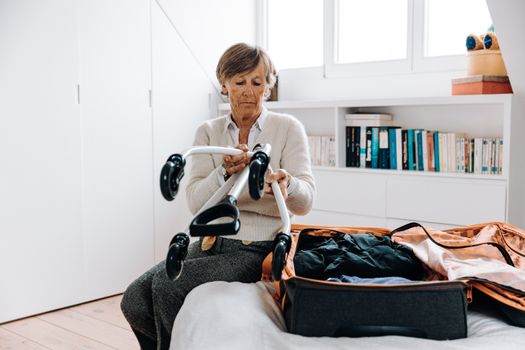
Traveling across time zones can be exhilarating, but for seniors, the excitement of arrival is often dampened by the disorienting effects of jet lag. While much attention is often given to what to do before and during a long flight, what happens after stepping off the plane is just as important—especially for older adults. Seniors may experience more intense jet lag symptoms due to age-related changes in sleep patterns, slower adjustment to new time zones, and pre-existing health conditions. In this article, we’ll focus on practical, post-arrival advice to help caregivers and family members support seniors as they recover from jet lag and settle into their new environment.
Understanding Jet Lag in Seniors: Why Recovery Needs Special Attention
Jet lag occurs when the body’s internal clock, or circadian rhythm, is out of sync with the local time of a new destination. For seniors, this adjustment can be more challenging. Research from the Sleep Foundation shows that adults over age 65 experience changes in their circadian rhythms, often leading to lighter, shorter, and more fragmented sleep. These changes make it harder for seniors to bounce back from jet lag.
A 2022 study published in the Journal of Travel Medicine found that 74% of seniors reported moderate to severe jet lag symptoms after crossing more than five time zones, compared to 54% of younger adults. Symptoms can include insomnia, daytime fatigue, irritability, confusion, digestive problems, and even increased risk of falls. With such a high prevalence, practical post-arrival care is essential.
Creating a Senior-Friendly Arrival Environment
One of the most effective ways to help seniors recover from jet lag is to optimize their environment immediately after arrival. Upon reaching the destination, focus on reducing confusion and minimizing stress:
- Prepare the accommodation in advance: Make sure the senior’s room is quiet, well-lit, and free from trip hazards. Place familiar objects like photos, a favorite blanket, or their usual clock to create a sense of comfort and reduce disorientation. - Keep essentials accessible: Medications, water, snacks, eyeglasses, and hearing aids should be within easy reach. - Regulate temperature and lighting: Seniors are more sensitive to temperature changes. Ensure the room is at a comfortable temperature (ideally 68-72°F or 20-22°C) and use blackout curtains to facilitate sleep at night. - Provide clear signage: If staying in a hotel or unfamiliar home, simple labels on bathroom doors or light switches can help prevent confusion, especially at night.These small but significant steps help create a sense of safety and familiarity, which is crucial for seniors adjusting to a new schedule and environment.
Post-Arrival Sleep Strategies: Timing and Gentle Adjustment
After arrival, seniors may feel the urge to nap or go to bed early. However, abrupt sleep can worsen jet lag. Instead, gentle, structured sleep adjustment is key:
- Encourage exposure to natural light: Natural daylight is the most powerful cue for resetting the body clock. Spend time outdoors in the morning if arriving from the east, or in the late afternoon if arriving from the west. - Limit daytime naps: If a nap feels necessary, keep it under 30 minutes and avoid napping after 3 p.m. This helps prevent disruption of nighttime sleep. - Stick to the new time zone’s sleep schedule: Even if tired, encourage staying up until the local bedtime. Use relaxing activities such as listening to soft music, reading, or taking a warm bath to ease the transition. - Monitor sleep aids: While some seniors may use melatonin, sleeping pills, or herbal remedies, consult a healthcare provider before use, especially in a new environment.According to a 2019 survey by the National Sleep Foundation, seniors who avoided napping and spent at least one hour outdoors adjusted to new time zones 30% faster than those who did not.
Hydration, Nutrition, and Gentle Activity: Supporting the Body’s Recovery
The body’s ability to recover from jet lag is closely tied to hydration, nutrition, and movement—factors that are often overlooked after arrival.
- Hydration: Air travel is dehydrating, and dehydration can worsen fatigue and confusion. Encourage sipping water regularly, aiming for at least eight 8-ounce glasses per day (about 2 liters), unless otherwise directed by a physician. - Nutrition: After arrival, offer light, easily digestible meals. Foods rich in tryptophan (such as turkey, oats, or bananas) can promote sleep, while avoiding caffeine and heavy meals close to bedtime helps prevent sleep disruption. - Gentle activity: Encourage light movement, such as stretching, a short walk around the block, or simple chair exercises. Physical activity helps regulate circadian rhythms and prevents stiff joints or blood clots.A quick comparison of post-arrival routines for seniors and younger travelers can help highlight important differences:
| Aspect | Seniors (65+) | Younger Adults (18-40) |
|---|---|---|
| Recommended Nap Duration | < 30 minutes, avoid after 3 p.m. | Up to 45 minutes, more flexible |
| Hydration Needs | At least 2 liters/day, watch for dehydration signs | 1.5-2 liters/day, less susceptible to dehydration |
| Physical Activity | Gentle walks, stretching | Moderate exercise, brisk walks |
| Risk of Disorientation | Higher; environment cues important | Lower; adapt more quickly |
These figures demonstrate why a tailored approach is so important for senior travelers after arrival.
Managing Medications and Health Conditions Post-Flight
Seniors are more likely to be managing multiple medications or chronic health issues. Jet lag and travel can disrupt medication schedules, leading to missed doses or confusion. Here’s how to help:
- Adjust medication timing: Before the trip, ask a healthcare provider how to safely adjust medication times to match the new time zone. Use pill organizers with clear labels. - Monitor for side effects: Some medications can amplify jet lag symptoms, such as diuretics (increased urination at night) or sedatives (increased grogginess). Watch for unusual symptoms and consult a doctor if concerns arise. - Keep a medication log: Writing down each dose and the time it was taken can prevent double dosing or missed medications. - Prioritize routine health checks: Monitor blood pressure, blood sugar, or other chronic conditions as directed, especially in the first 48 hours after arrival when the body is most stressed.According to the Centers for Disease Control and Prevention (CDC), 89% of Americans over age 65 take at least one prescription medication, and 54% take four or more. Proper management is vital to avoid adverse reactions during the transition period.
Psychological and Social Support: Addressing Emotional Well-Being
Jet lag doesn’t just affect the body—it can also take a toll on mood and mental sharpness. Seniors may experience increased confusion, anxiety, or even depression in unfamiliar surroundings. Caregivers and family members play a crucial role in emotional support:
- Maintain social contact: Engage seniors in gentle conversation, encourage participation in group meals, or introduce them to friendly locals or staff. - Re-establish routines: Familiar routines such as morning tea, reading the newspaper, or listening to favorite music can provide comforting structure. - Be patient and reassuring: Give seniors time to adjust, and avoid pressuring them to immediately participate in strenuous activities or sightseeing. Frequent, calm reassurance helps reduce anxiety. - Watch for signs of delirium: In rare cases, jet lag and travel stress can trigger confusion or delirium, especially in seniors with memory issues. If a senior becomes acutely confused, seek medical attention promptly.Research published in BMC Geriatrics (2021) found that 27% of seniors experienced increased anxiety or mood changes in the first three days after arrival, highlighting the importance of psychological support during this window.
Final Thoughts: The Importance of a Thoughtful Post-Arrival Plan for Seniors
Caring for seniors after a long journey requires more than just rest—it demands a thoughtful, holistic approach. From preparing a safe, comfortable environment and adjusting sleep routines to managing health conditions and providing emotional support, each step plays a vital role in helping seniors recover from jet lag. By focusing on these after-arrival strategies, caregivers and family members can make travel a more enjoyable and less stressful experience for older adults, ensuring that their trips are memorable for all the right reasons.