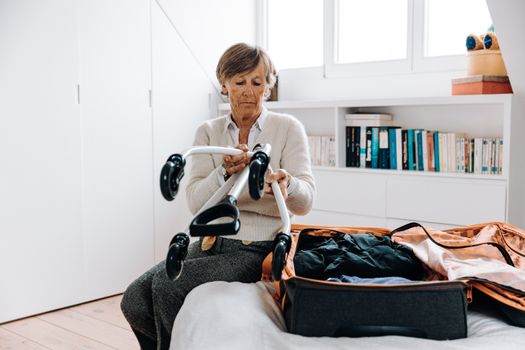
Travel Preparation Tips for Seniors: How to Minimize Jet Lag
Jet lag is a common challenge for anyone crossing multiple time zones, but seniors often feel its effects more acutely. As we age, our bodies become more sensitive to disruptions in routine, making time zone changes particularly taxing. The good news is that senior travelers can greatly reduce the impact of jet lag with thoughtful preparation—starting well before their departure date. In this article, we’ll explore science-backed, actionable travel preparation tips designed specifically for seniors, focusing on minimizing jet lag’s effects and ensuring a comfortable, energetic start to any adventure.
The Science Behind Jet Lag and Seniors
Jet lag occurs when a traveler’s internal body clock (circadian rhythm) is out of sync with the local time at their destination. For seniors, this disruption can be even more pronounced due to age-related changes in sleep patterns, hormone production, and general resilience to change. According to a 2021 study published in the journal "Sleep Medicine," adults over 60 are 30% more likely to experience severe jet lag symptoms compared to those under 40. Seniors may experience longer recovery times, disrupted sleep, digestive issues, and increased fatigue.
A crucial part of jet lag prevention for seniors is understanding these physiological changes and preparing accordingly. Rather than simply coping with jet lag upon arrival, seniors benefit from a proactive approach—one that begins days or even weeks before the trip.
Pre-Trip Sleep Schedule Adjustments: A Gradual Approach
One of the most effective ways for seniors to minimize jet lag is by gradually adjusting their sleeping and waking times before departure. This method, known as phase shifting, helps align the body’s internal clock with the destination time zone, easing the transition.
Tips for Sleep Adjustment: - Start 5-7 days before travel by shifting bedtime and wake-up time by 15-30 minutes each day toward the destination’s time zone. - Use natural light exposure to reinforce the new schedule. For eastward travel (e.g., New York to Paris), get morning sunlight and avoid evening light; for westward travel (e.g., Los Angeles to Tokyo), seek evening sunlight and avoid morning light. - Maintain consistency with meal times, physical activity, and medication schedules to reinforce the new routine.According to the American Academy of Sleep Medicine, seniors who use phase shifting report a 25% reduction in jet lag symptoms compared to those who make no adjustments.
Medication, Supplements, and Safe Planning for Seniors
Seniors are often prescribed medications for chronic conditions, and some may consider over-the-counter remedies or supplements like melatonin to manage jet lag. However, it’s crucial for older adults to coordinate closely with healthcare providers before making changes.
Key Considerations: - Consult a doctor at least two weeks before travel to review medication timing and possible interactions with jet lag remedies. - Melatonin, a hormone regulating sleep, has been found effective for jet lag, especially in seniors. A 2019 meta-analysis in "Frontiers in Neurology" concluded that 2-5 mg of melatonin taken 1-2 hours before the new bedtime can help reset the body clock. - Seniors should avoid self-medicating with sleep aids, antihistamines, or herbal supplements without medical advice, as these can cause confusion, dizziness, or interact with prescription drugs.Medication Management Comparison Table:
| Remedy | Effectiveness for Seniors | Potential Risks | Doctor Consultation Needed? |
|---|---|---|---|
| Melatonin | High | Minor daytime drowsiness, possible interactions | Yes |
| Prescription Sleep Aids | Moderate | Dizziness, confusion, falls | Yes |
| Herbal Supplements | Low to Moderate | Interactions, variable potency | Yes |
| Light Therapy | Moderate | Minimal (eye strain in rare cases) | Optional |
Strategic Packing: Tools and Comforts to Ease Jet Lag
Packing goes beyond choosing the right clothes. For seniors, thoughtful packing can make a significant difference in minimizing jet lag and ensuring comfort during and after a long flight.
Essential Items for Seniors: - Sleep mask and noise-canceling headphones: Block out unwanted light and noise, making it easier to nap during flights and rest upon arrival. - Compression socks: Reduce the risk of deep vein thrombosis (DVT) during long flights and promote healthy circulation. - Travel pillow and lightweight blanket: Encourage better neck support and maintain body temperature, both of which are important for quality sleep. - Hydration aids: Bring a refillable water bottle and consider electrolyte tablets, as dehydration can worsen jet lag symptoms. - Healthy snacks: Pack easy-to-digest, high-protein snacks to avoid blood sugar spikes and crashes.A 2022 survey by the AARP found that 47% of travelers aged 65+ who brought comfort and health items reported fewer jet lag symptoms compared to those who didn’t.
Pre-Flight and Airport Routines for Seniors
The hours leading up to a long flight are critical for setting the stage for a smooth adjustment to a new time zone. Seniors should focus on routines that reduce anxiety, support healthy circulation, and prepare the body for rest.
Recommended Pre-Flight Steps: - Stay active: Take a brisk walk in the airport terminal to stimulate circulation and reduce restlessness during the flight. - Eat light, balanced meals: Avoid heavy, salty, or sugary foods, which can disrupt digestion and sleep. - Practice relaxation techniques: Simple breathing exercises or gentle stretching can lower stress hormones and prepare the body for sleep. - Avoid caffeine and alcohol: Both can interfere with sleep and contribute to dehydration.Research from the Sleep Foundation indicates that seniors who follow a structured pre-flight routine experience up to 20% faster adaptation to new time zones.
Post-Arrival Strategies: Adapting Quickly to the Destination
Arriving at a new destination is exciting, but for seniors, the first 24-48 hours are crucial for minimizing the lingering effects of jet lag.
Effective Post-Arrival Tips: - Get outside: Exposure to natural sunlight helps reset the circadian rhythm. Aim for at least 30 minutes outdoors in the morning if traveling east, or in the late afternoon if traveling west. - Eat on local time: Shift meal schedules as soon as possible to align with local routines, aiding digestion and sleep adjustments. - Stay hydrated: Continue drinking water and avoid diuretics like coffee or alcohol until fully adjusted. - Take short naps: Limit naps to 20-30 minutes if absolutely necessary, and avoid napping late in the day to prevent interference with nighttime sleep. - Engage in light activity: Gentle walking or stretching helps stimulate energy and reduce fatigue.A clinical trial conducted by the National Institutes of Health found that seniors who followed structured post-arrival routines adapted to new time zones up to 1.5 days faster than those who did not.
Final Thoughts: Building a Jet Lag-Resistant Travel Plan for Seniors
For seniors, minimizing jet lag begins long before stepping onto a plane. By understanding the unique ways aging impacts sleep and circadian rhythms, and by taking proactive steps—from gradual sleep adjustments and careful medication planning to strategic packing and mindful routines—older travelers can dramatically reduce the impact of jet lag. With the right preparation, seniors can arrive refreshed and ready to enjoy every moment of their journey.