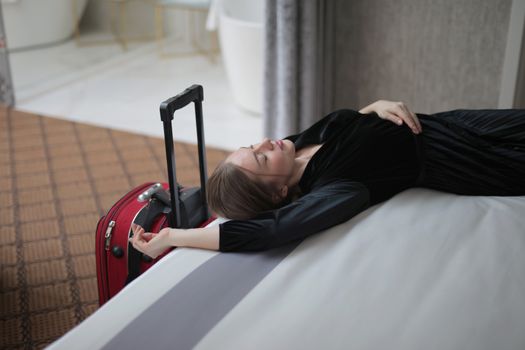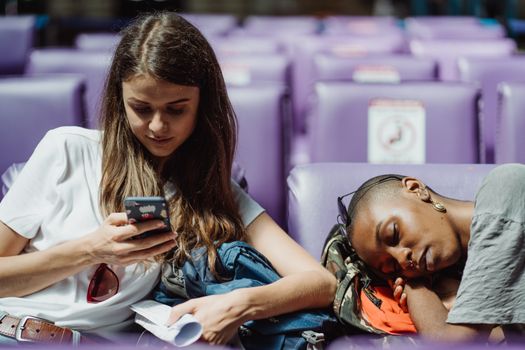
After stepping off a long-haul flight, many travelers are hit with the unwelcome effects of jet lag—grogginess, insomnia, and a body that can’t decide when it’s supposed to be awake or asleep. The struggle to rest after crossing several time zones is real, with studies showing that up to 93% of international travelers experience some form of jet lag. But quality sleep after a flight isn’t just a matter of time; it’s a science. In this article, we’ll explore the best techniques for improving sleep after a long flight, focusing on evidence-based strategies to help you overcome jet lag and get your circadian rhythm back on track.
Understanding Jet Lag and Its Impact on Sleep
Jet lag is the result of a mismatch between your body’s internal clock (circadian rhythm) and the new time zone you’ve entered. This can disrupt sleep patterns, cause daytime fatigue, and even impair cognitive function. According to the National Sleep Foundation, symptoms intensify when crossing three or more time zones, and recovery can take about one day for each time zone crossed.
The primary factors influencing jet lag include:
- The number of time zones crossed - Direction of travel (eastward travel is generally harder on sleep than westward) - Your usual sleep habits and routinesSymptoms usually include trouble falling asleep, waking up too early or too late, and feeling unrested even after sleeping. Understanding these causes is the first step toward overcoming jet lag and reclaiming restful sleep.
Strategic Light Exposure: Resetting Your Internal Clock
One of the most effective techniques for overcoming jet lag is manipulating your exposure to natural and artificial light. Light is the most powerful external cue for resetting your circadian rhythm. When you arrive at your destination, your body clock might be telling you to sleep while the local environment is bright and active.
How does this work? Light exposure in the morning helps advance your body clock, making it easier to wake up earlier, while evening light delays your body clock, helping you stay awake longer. For example, if you travel east (e.g., New York to Paris), you’ll want to seek out morning sunlight to adjust to the earlier time zone. If you travel west, evening light exposure will help you adapt.
A 2019 study published in the journal Sleep Medicine Reviews found that timed light exposure could reduce jet lag symptoms by up to 50%. Try spending at least 30-60 minutes outside in natural sunlight during the appropriate time of day for your new time zone. If natural light isn’t available, high-intensity artificial light (such as a light therapy box) can also be effective.
Timing Matters: Meal Schedules and Sleep Hygiene
Your eating habits after a flight can significantly impact your ability to fall asleep and adjust to a new time zone. The body’s circadian rhythm is influenced not only by light, but also by food intake and meal timing.
Research from the University of Surrey in 2018 demonstrated that altering meal times can help synchronize the body’s internal clock with the local time, reducing jet lag symptoms. For example, if you land in Tokyo from Los Angeles in the afternoon, try to eat your main meal at local dinner time—even if your body thinks it’s breakfast.
Sleep hygiene is equally important. Establishing a calming pre-sleep routine can cue your body for rest. Consider these sleep hygiene tips specifically after a long flight:
- Take a warm shower or bath to relax your muscles - Avoid caffeine and alcohol for at least 4-6 hours before bedtime - Keep the room cool, dark, and quiet (earplugs and eye masks can help) - Turn off screens at least 30 minutes before sleep to minimize blue light exposureMelatonin and Supplements: What Science Says
Melatonin is a hormone naturally produced by the pineal gland in response to darkness, telling your body it’s time to sleep. Crossing time zones disrupts melatonin production, which can make it difficult to fall asleep at the right time.
Multiple studies, including a 2014 meta-analysis in the Cochrane Database, show that melatonin supplements can reduce jet lag symptoms and help travelers adjust to new time zones more quickly. The recommended dose is typically 0.5 to 5 mg taken 30-60 minutes before bedtime in your new location.
Other supplements that may aid sleep after a flight include:
- Magnesium: Known to promote relaxation and improve sleep quality - Valerian root: Shown in some studies to reduce time to fall asleep - Glycine: An amino acid that can lower body temperature and induce sleepHowever, always consult a healthcare professional before starting new supplements, especially if you have underlying health conditions or take other medications.
Physical Activity and Relaxation Techniques for Post-Flight Sleep
Jet lag doesn’t just affect the mind; it also takes a toll on the body. Physical activity can help reset your internal clock and promote deeper sleep. A 2020 study in the Journal of Sleep Research found that moderate exercise (such as brisk walking or light stretching) in the afternoon or early evening can help regulate circadian rhythms and improve the onset of sleep.
Besides exercise, relaxation techniques can help calm a racing mind after travel. Consider these proven methods:
- Progressive muscle relaxation: Tense and release muscle groups one at a time - Deep breathing exercises: Inhale for a count of four, hold, then exhale slowly - Mindfulness meditation: Focus on the present moment to reduce anxiety and promote restIncorporating these activities into your post-flight routine can significantly improve sleep quality and help you adapt to a new time zone faster.
Comparing Popular Jet Lag Remedies
Travelers often experiment with different remedies to beat jet lag. The table below compares the effectiveness, scientific support, and typical time to see results for some of the most popular methods.
| Remedy | Effectiveness | Scientific Support | Time to See Results |
|---|---|---|---|
| Light Exposure | High | Strong | 1-2 days |
| Melatonin Supplements | Moderate-High | Strong | 1-3 days |
| Meal Timing | Moderate | Moderate | 2-3 days |
| Physical Activity | Moderate | Moderate | 2-4 days |
| Alcohol | Low (may worsen sleep) | Weak (not recommended) | N/A |
| Prescription Sleep Aids | Varies | Mixed (risk of side effects) | Immediate (but not for long-term use) |
This overview shows that strategic light exposure and melatonin supplements are supported by the strongest scientific evidence for overcoming jet lag and improving sleep after a long flight.
Why Personalized Sleep Strategies Matter After Flying
No two travelers experience jet lag in exactly the same way. Age, baseline sleep quality, health conditions, and even genetics can influence how quickly you adjust to a new time zone. For instance, studies show that older adults may take longer to recover from jet lag due to less flexible circadian rhythms.
To develop a personalized sleep strategy:
- Track your sleep patterns before and after travel using a sleep diary or app - Experiment with timing of light exposure, meals, and exercise to find what works best for you - Be patient—full adjustment may take several days, especially after crossing more than five time zonesRemember, the key is to listen to your body and make gradual adjustments rather than forcing rapid change.
Restoring Rest: Final Thoughts on Improving Sleep After a Long Flight
Recovering from jet lag and restoring healthy sleep after a long flight is both a challenge and an opportunity. By understanding how circadian rhythms work and applying scientifically backed strategies—such as timed light exposure, meal schedule adjustments, targeted supplementation, and relaxation techniques—you can dramatically improve your sleep quality and overall travel experience.
Remember, overcoming jet lag is not about quick fixes but about supporting your body’s natural adjustment process. With preparation and personalized attention, you’ll spend less time tossing and turning, and more time enjoying your destination.