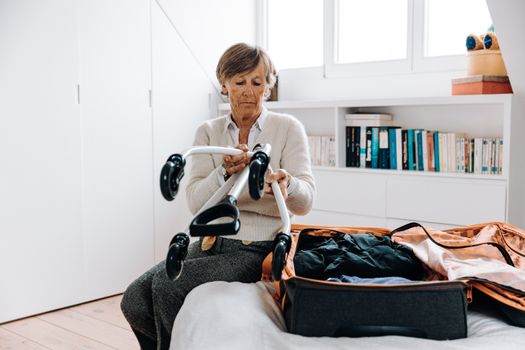
Jet lag is a well-known challenge for travelers crossing multiple time zones, but its impact can be far more pronounced in older adults. While younger travelers may bounce back quickly, older individuals often experience more intense symptoms and require longer recovery times. Understanding how jet lag affects older travelers and learning targeted strategies to help them is crucial for ensuring safe, enjoyable journeys in later life.
The Science of Jet Lag and Aging: Why Older Adults Are More Vulnerable
Jet lag occurs when the body’s internal clock, or circadian rhythm, becomes misaligned with the new local time after crossing time zones. This disruption causes symptoms like fatigue, insomnia, digestive issues, and cognitive impairment. For older adults, the effects of jet lag can be both more severe and longer-lasting.
Several factors make older adults more susceptible:
- $1: Research published in the journal "Sleep" confirms that as we age, our circadian rhythms become less adaptable. Older adults’ internal clocks reset more slowly, making it harder to adjust to new time zones. - $1: Melatonin, the hormone that regulates sleep-wake cycles, naturally decreases with age. Lower melatonin levels can worsen sleep disturbances associated with jet lag. - $1: According to the CDC, 80% of adults aged 65+ have at least one chronic condition. Illnesses like diabetes, heart disease, or arthritis can amplify the discomfort and risks linked to jet lag.A 2016 study found that travelers over 60 took, on average, 1.5 days longer to recover from an 8-hour time zone shift compared to younger adults. The increased vulnerability is not just a matter of feeling tired—it can impact physical health, cognitive sharpness, and even safety.
How Jet Lag Manifests Differently in Older Travelers
While the core symptoms of jet lag are similar across ages, their manifestation in older adults often differs in frequency, severity, and risk. Here’s how:
- $1: Older travelers frequently report longer periods of poor sleep upon arrival, sometimes lasting up to a week after a long-haul flight. - $1: Memory lapses, confusion, and reduced concentration are more common. This can be particularly concerning for those with existing cognitive decline. - $1: Fatigue and disorientation can increase fall risk—a leading cause of injury among seniors. The National Council on Aging reports that falls account for more than 2.8 million injuries treated in emergency departments annually in the U.S. - $1: Jet lag can worsen chronic pain, blood pressure irregularities, and digestive disorders, making management of these issues more challenging during travel.The table below compares common jet lag symptoms in younger versus older travelers based on published data and clinical observations:
| Symptom | Younger Travelers | Older Travelers |
|---|---|---|
| Sleep Disturbance | 2-3 nights of poor sleep | 4-7 nights, often severe |
| Daytime Fatigue | Moderate, resolves quickly | Severe, may persist for days |
| Cognitive Impairment | Mild, short-term | Pronounced, may affect safety |
| Risk of Falls | Low | Significantly higher |
| Medical Complications | Rare | Common, especially with chronic illness |
Pre-Travel Preparation: Setting Older Travelers Up for Success
Helping older travelers cope with jet lag begins before the journey even starts. Advance planning and preparation can minimize symptoms and boost confidence.
- $1: Before any significant travel, older adults should check in with their physician. This is especially important for those with heart conditions, diabetes, or taking multiple medications. A doctor may adjust medication schedules ahead of time or provide advice tailored to individual health needs. - $1: The American Academy of Sleep Medicine recommends shifting sleep and meal times by one hour every day for several days before departure. Older adults, in particular, benefit from a more gradual adjustment period. - $1: Bring travel pillows, light-blocking eye masks, and earplugs. Remember essential medications—plus a list of doses and schedules to help maintain routine during travel. - $1: Older adults are more susceptible to dehydration, which can worsen jet lag symptoms. Packing a refillable water bottle and healthy snacks such as nuts or fruit can help.Families or caregivers should also ensure that travel plans include plenty of rest breaks, low-stress connections, and, if possible, nonstop flights to reduce overall travel fatigue.
In-Flight Strategies Tailored for Older Adults
The hours spent in the air play a critical role in how older travelers adjust to new time zones. Here are targeted strategies:
- $1: Airplane cabins are notoriously dry. Seniors should drink water regularly and avoid alcohol or caffeine, which can disrupt sleep and contribute to dehydration. - $1: Prolonged sitting increases the risk of blood clots, especially in older adults. Walking the aisle every 1-2 hours and doing gentle foot and leg exercises in the seat can help. - $1: Upon boarding, adjust watches and devices to the new time zone. This simple mental trick can help recalibrate the body’s internal clock. - $1: Exposure to natural or artificial light is one of the most powerful ways to reset the circadian rhythm. On daytime flights, seek out sunlight if possible. On overnight flights, use eye masks to block light and encourage sleep.For those with special needs, requesting wheelchair assistance or priority boarding can reduce stress and physical demands during layovers and boarding.
Post-Arrival Care: Easing the Transition for Older Travelers
The first 48 hours after arrival are critical for older adults. Support and careful planning during this period can make a significant difference:
- $1: Eating meals and going to bed at local times helps the body adjust. Caregivers or companions should gently encourage older travelers to get sunlight during the day and avoid naps longer than 30 minutes. - $1: Older adults are at higher risk for delirium and dehydration. Watch for confusion, fever, or unusual behavior, and seek medical help if needed. - $1: Keeping a medication log or using a pill organizer ensures medicines are taken at the correct times, especially if time zones dramatically shift dosing schedules. - $1: Short walks, stretching, or light activities can reduce stiffness and promote better sleep. For those with mobility issues, even chair exercises are beneficial.Families traveling with older relatives should plan a light itinerary for the first couple of days, allowing time for rest and adjustment.
Social and Emotional Support: The Overlooked Factor
Jet lag is not just a physical challenge but can also be emotionally taxing, particularly for older travelers who may feel disoriented or anxious. Social support plays a vital role in recovery:
- $1: Having a travel companion provides both practical and emotional support. Gentle reminders, encouragement, and shared experiences ease anxiety. - $1: Bringing familiar objects from home—like a favorite book, a photo, or a personal music player—can provide comfort in unfamiliar environments. - $1: Encourage older travelers to speak up about how they feel. Caregivers and family should check in regularly, offering patience and understanding.Isolation or heightened stress can worsen jet lag’s impact. Studies show that older adults who feel supported adjust more quickly and report fewer complications from travel fatigue.
Final Thoughts: Empowering Older Travelers to Beat Jet Lag
Jet lag presents unique challenges to older adults, but with thoughtful preparation, tailored in-flight care, and strong social support, it doesn’t have to stand in the way of adventure. Recognizing the distinct needs of seniors—such as slower circadian adjustment, higher risk of falls, and the importance of medication management—can transform travel from a source of anxiety into an enriching experience.
By involving healthcare providers, planning ahead, and offering emotional reassurance, families and caregivers can help older loved ones navigate long journeys safely and comfortably. After all, age should never be a barrier to exploring the world.