Traveling for Seniors: How to Maintain Energy During Long Flights and Avoid Jet Lag
Every year, millions of seniors take to the skies, whether to visit family, explore new destinations, or simply enjoy a well-earned vacation. In 2023, over 27 million Americans aged 65 and older traveled by air, a number that continues to rise as more seniors prioritize adventure and connection in their golden years. While air travel opens up exciting opportunities, long flights and drastic time zone changes can present unique challenges. Fatigue, dehydration, and jet lag can sap energy and dampen enthusiasm, especially for older adults who may already be managing health concerns.
Fortunately, with the right strategies, seniors can not only minimize jet lag but also maintain high energy levels throughout their journey. This article goes beyond the usual travel tips, diving into science-backed methods, innovative products, and senior-specific approaches to staying energized and alert across continents.
The Science Behind Jet Lag and Fatigue in Seniors
Jet lag is more than just a nuisance; it’s a physiological response to rapidly crossing multiple time zones, disrupting the body’s natural circadian rhythm. For seniors, the impact can be even more pronounced. As we age, our internal clocks become less flexible, making it harder to adjust to new schedules. A study from the Sleep Research Society found that older adults experience a 30% longer adjustment period to new time zones compared to younger travelers.
Moreover, factors like reduced melatonin production, chronic health conditions, and medications can amplify the effects of sleep disruption and fatigue. Common symptoms include insomnia, daytime drowsiness, digestive issues, and even cognitive confusion. Recognizing these risks is the first step in planning an energy-preserving travel strategy.
Hydration and Nutrition: The Cornerstones of In-Flight Energy
Maintaining energy on long flights starts with what you put into your body. Cabin air is notoriously dry—often with humidity levels below 20%, compared to the comfortable 40-60% at home. This can lead to dehydration, which is a key contributor to fatigue, headaches, and muscle cramps.
Seniors, who may already have a diminished sense of thirst, should be especially vigilant. The Mayo Clinic recommends drinking at least 8 ounces of water every hour during a flight. Avoid caffeinated or alcoholic beverages, which act as diuretics and further dehydrate the body.
Nutrition plays a complementary role. Instead of relying on airline meals, which can be high in sodium and sugar, pack nutrient-dense snacks such as:
- Roasted nuts (almonds, walnuts) - Fresh fruit (apples, grapes, berries) - Whole grain crackers - Sliced vegetables (carrots, celery, cucumber) - Greek yogurt cups (if refrigeration is available)Foods rich in magnesium and potassium—like bananas and avocados—can help regulate muscle function and prevent cramps. Consider a small meal every 3-4 hours to maintain stable blood sugar and energy.
Movement and Circulation: Staying Active in the Air
Sitting for extended periods isn’t just uncomfortable; it can be dangerous, especially for seniors at risk of deep vein thrombosis (DVT). Blood clots are more likely to form when circulation slows. The American Heart Association reports that travelers over 60 have a twofold increased risk of DVT on flights longer than four hours.
To combat this, movement is essential. Try these in-seat and aisle exercises:
- Ankle circles: Rotate each foot in a circle for 30 seconds every hour. - Seated marches: Lift knees one at a time for a minute. - Calf raises: Stand up and rise onto your toes 10 times when possible. - Walking: Stroll the aisle every 1-2 hours.Compression socks are a proven aid. In a 2016 study published in the journal Chest, wearing compression stockings reduced the risk of DVT by 90% in at-risk travelers. Look for socks with 15-20 mmHg pressure for optimal balance between comfort and effectiveness.
Light Exposure and Sleep Aids: Resetting Your Body Clock
The body’s sleep-wake cycle is controlled by light exposure. Seniors, who naturally produce less melatonin—the sleep hormone—can benefit from targeted light management before, during, and after a flight.
Key strategies include:
- Before travel: Gradually adjust your bedtime toward your destination’s time zone by 30 minutes each night, starting 3-4 days before departure. - On the plane: If arriving in the morning, try to sleep during the flight. If arriving at night, stay awake and expose yourself to light. - Upon arrival: Spend as much time outdoors as possible. Natural sunlight is 100 times more effective at resetting circadian rhythms than indoor lighting.Some seniors use melatonin supplements to help shift their sleep cycle. The National Institutes of Health suggests a dose of 0.5-3 mg, taken 30-60 minutes before desired sleep, can be effective. However, always consult your doctor before starting supplements, especially with existing health conditions or medications.
Sleep masks and noise-canceling headphones can also improve the quality of in-flight sleep, blocking disruptive light and sound. Many airlines now offer amenity kits with these items on long-haul routes.
Technology and Smart Tools for Senior Travelers
A new generation of travel-friendly gadgets can make a significant difference in energy management and jet lag prevention. Here’s a comparison of popular tools and their senior-friendly features:
| Tool | Primary Benefit | Senior-Friendly Feature | Approximate Cost |
|---|---|---|---|
| Re-Timer Light Glasses | Adjusts circadian rhythm with green light therapy | Lightweight, easy-to-use timer | $200 |
| Dodow Sleep Aid Device | Guided breathing to promote sleep | Simple touch controls, no app required | $60 |
| Travelrest Ultimate Pillow | Neck and head support for better in-flight rest | Ergonomic design, machine washable | $30 |
| Jet Lag Rooster App | Personalized light exposure schedule | Large text, easy input options | Free |
These tools are designed to be intuitive, portable, and effective, making them ideal companions for senior travelers seeking to maintain energy and minimize jet lag.
Personalized Medical Considerations for Senior Flyers
Every senior traveler is unique. Before embarking on a long flight, it’s essential to consult with a healthcare provider, especially if you have chronic health conditions such as heart disease, diabetes, or respiratory issues. Here are some medical planning tips:
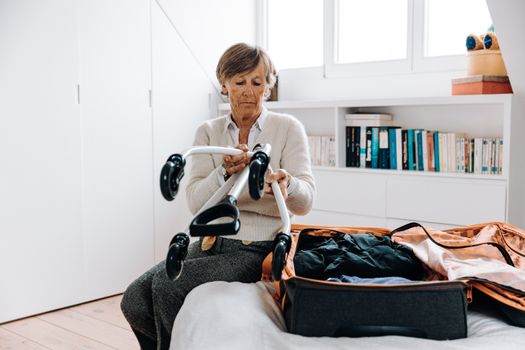
- Medication timing: Adjust dosing schedules to the new time zone in consultation with your doctor. Bring a printed medication chart to avoid confusion. - Carry medical documents: Include a list of prescriptions, allergies, and emergency contacts in both digital and paper form. - Vaccination and health checks: Some destinations require specific immunizations or documentation for seniors. - Mobility aids: If you use a cane, walker, or wheelchair, notify the airline in advance for priority boarding and assistance at connecting airports.The Centers for Disease Control and Prevention (CDC) recommends that seniors also carry extra medication (enough for 2-3 days beyond their trip) in case of delays.
Final Thoughts on Energized, Jet Lag-Free Travel for Seniors
Traveling across time zones need not rob seniors of their vitality or enjoyment. By understanding the unique ways aging bodies respond to air travel and jet lag, and by leveraging modern tools, thoughtful planning, and healthy habits, seniors can remain energetic and resilient from takeoff to touchdown. Whether it’s hydrating with intention, moving regularly, utilizing light exposure, or embracing senior-friendly gadgets, the journey can be as enjoyable as the destination.