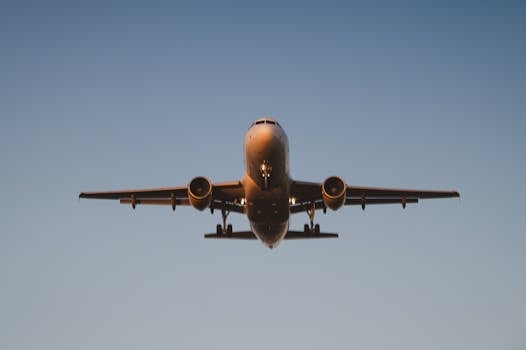
Traveling across time zones offers adventure, excitement, and the chance to make cherished memories—but for older adults, jet lag can turn a long-awaited trip into a struggle with fatigue, confusion, and discomfort. As the world’s population ages, mature travelers are hitting the skies more than ever: according to AARP, nearly 99 million Americans over 50 took at least one trip each in 2023. Yet, jet lag remains a significant yet often underestimated issue for this age group. Understanding the unique impact of jet lag on older travelers and learning how to mitigate its effects is essential for ensuring safe, enjoyable journeys.
Understanding Jet Lag: Why Older Adults Are More Vulnerable
Jet lag, also known as desynchronosis, is a temporary sleep disorder that occurs when your body’s internal clock (circadian rhythm) is out of sync with a new time zone. While anyone can experience jet lag, older adults are particularly susceptible due to physiological and lifestyle factors.
Research shows that as we age, the circadian system becomes less adaptable. The production of melatonin—the hormone that regulates sleep—declines, making it harder to adjust to new light-dark cycles. Additionally, older adults often have pre-existing sleep issues. According to the National Sleep Foundation, 44% of people over age 65 experience at least one sleep-related problem several nights each week.
Other age-related factors that increase the risk or severity of jet lag include: - Reduced ability to handle physical stress - Slower recovery from sleep debt - Increased prevalence of chronic conditions (like diabetes or cardiovascular disease) - Frequent use of medications that might interfere with sleep or alertnessThese factors mean that for older travelers, jet lag is not just a minor inconvenience—it can impact cognitive function, exacerbate existing health issues, and even increase the risk of falls.
Jet Lag Symptoms: How They Differ for Older Travelers
While jet lag symptoms are similar across age groups—fatigue, insomnia, irritability, digestive issues, and difficulty concentrating—older adults may experience these effects more intensely or for a longer duration.
A 2019 study in the journal Sleep Medicine found that older adults took up to 30% longer to recover from jet lag compared to younger adults after a transatlantic flight. This prolonged adjustment period can lead to: - Persistent daytime sleepiness - Memory lapses or confusion - Worsened symptoms of chronic conditions (e.g., increased blood pressure) - Higher risk of falls or accidents due to impaired coordinationFurthermore, the age-related reduction in deep sleep (slow-wave sleep) means that even brief disruptions can leave older travelers feeling disproportionately tired and less refreshed.
Comparing Jet Lag: Younger vs. Older Travelers
To appreciate the unique challenges older travelers face, consider the following comparison:
| Aspect | Younger Travelers (
More from the archiveView full article archive →
jetlagtips.com
Beat Jet Lag: How to Safeguard Your Immune System When Traveling
jetlagtips.com
Beat Jet Lag on Business Trips: Advanced Strategies for Peak Performance
jetlagtips.com
Beat Jet Lag: Proven Tips to Sleep Well After a Long Flight
jetlagtips.com
Debunking Jet Lag Myths: What Really Helps vs. Popular Misconceptions
jetlagtips.com
Jet Lag in Seniors: Effective Strategies for Post-Travel Recovery
jetlagtips.com
Senior Travel Tips: Maintaining Energy & Beating Jet Lag on Flights
jetlagtips.com
Jet Lag's Toll on Senior Mental Health: Effective Coping Strategies
jetlagtips.com
Smart Senior Travel: Tips to Manage Jet Lag and Health on Trips |
|---|