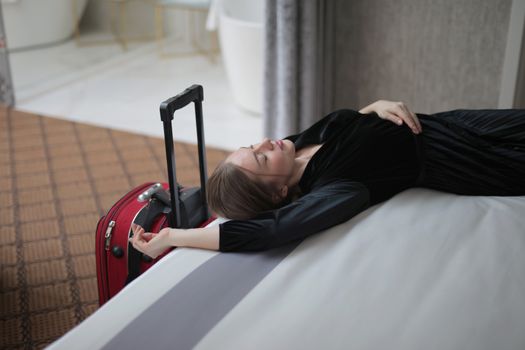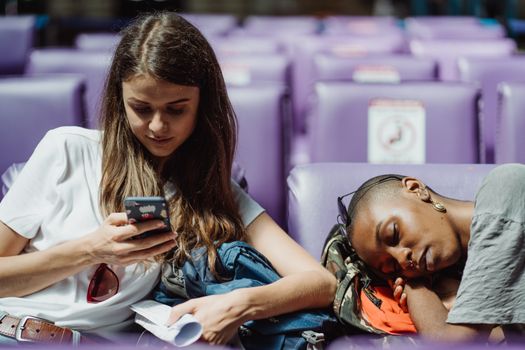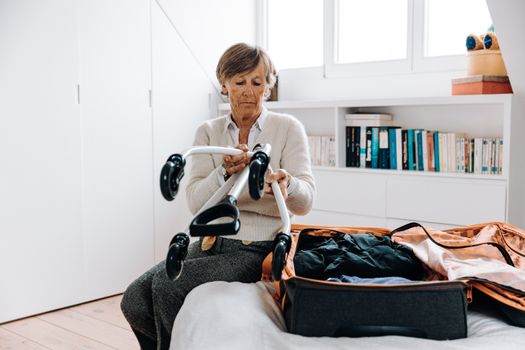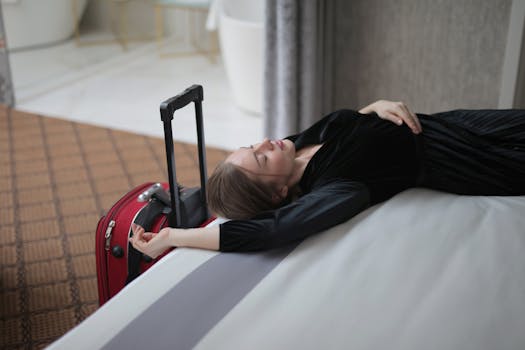
Traveling across time zones is an exciting adventure, but it often comes with a major downside: disrupted sleep and the dreaded jet lag. Whether you're heading to a business conference, a family reunion, or a long-awaited vacation, the days following a long flight can be marked by sleepless nights, drowsy days, and a general feeling of being out of sync. But with a strategic approach, you can drastically improve your sleep both before and after flying, reducing the severity of jet lag and making the most of your trip. In this article, we'll explore evidence-based, effective techniques for improving sleep around your flight schedule and explain how these practices help to minimize jet lag.
The Science of Sleep and Jet Lag: Understanding Your Body Clock
Before diving into techniques, it's important to understand why flying across time zones wreaks such havoc on our sleep. Our bodies operate on circadian rhythms—a roughly 24-hour internal clock controlled by the brain’s suprachiasmatic nucleus (SCN). This clock regulates sleep, alertness, hormone release, and even body temperature.
Jet lag occurs when your internal clock is out of sync with the local time at your destination. For example, if you fly from New York to Paris, your body may think it’s midnight when it’s actually 6 a.m. locally. Symptoms include insomnia, daytime sleepiness, difficulty concentrating, and digestive issues. Studies show that it generally takes about one day per time zone crossed to fully adjust, although factors such as age, direction of travel, and individual sensitivity can alter this timeline.
Pre-Flight Sleep Optimization: Preparing Your Body for Time Zone Changes
The best way to beat jet lag starts before you even board your flight. By gradually adjusting your sleep schedule and optimizing your pre-flight sleep, you can help your body ease into a new time zone more smoothly.
1. $1 Start adjusting your bedtime and wake time by 30-60 minutes in the direction of your destination a few days before your trip. For example, if you’re flying east (e.g., from Los Angeles to London), go to bed and get up earlier. If flying west, shift later. Research from Stanford University found that gradual schedule shifting can reduce jet lag symptoms by up to 50%. 2. $1 Many travelers try to get as much sleep as possible before a trip, a concept known as "sleep banking." A 2015 study published in $1 found that extending sleep for several nights before a period of sleep deprivation helped participants feel less fatigued and perform better cognitively. 3. $1 In the week leading up to your flight, practice excellent sleep hygiene—avoid caffeine or alcohol close to bedtime, keep your bedroom cool and dark, and stick to a relaxing pre-sleep routine. 4. $1 Light is the most powerful regulator of the circadian rhythm. Exposing yourself to bright light in the morning (for eastward travel) or in the evening (for westward travel) before your trip helps shift your body clock in the right direction.In-Flight Strategies: Managing Sleep While You Fly
What you do on the plane can have a significant impact on how you adjust upon arrival. Here are some actionable tips to optimize your in-flight sleep:
1. $1 Try to sleep or stay awake during the flight according to the destination’s local time. For instance, if it’s nighttime at your destination while you’re in the air, use eye masks and earplugs to block out distractions and get some rest. 2. $1 Bring a neck pillow, sleep mask, and noise-canceling headphones. Studies show that these tools can improve sleep quality during flights, even in economy class. 3. $1 The dry air inside airplane cabins can contribute to dehydration, which amplifies jet lag symptoms. Drink water regularly and avoid alcohol or caffeine, which disrupt sleep. 4. $1 Get up and stretch every couple of hours. Prolonged sitting can lead to discomfort and even increase the risk of blood clots. 5. $1 Melatonin supplements can help signal to your body that it’s time to sleep. A meta-analysis published in the $1 found that melatonin taken close to bedtime at the destination reduced jet lag in eastward travelers, especially when crossing five or more time zones.Post-Flight Recovery: Resetting Your Sleep After Arrival
Once you arrive at your destination, your priority is to quickly align your internal clock with local time. Here’s how to accelerate that adjustment:
1. $1 Seek sunlight in the morning for eastward travel and in the evening for westward travel. Light exposure at the correct time can shift your circadian rhythm by up to an hour per day. In fact, a 2020 study found that targeted light exposure reduced jet lag by 60% compared to no intervention. 2. $1 Even if you’re exhausted, avoid napping for more than 30 minutes during the day. Staying awake until at least 9 p.m. local time helps consolidate your first night’s sleep. 3. $1 To signal your body it’s time to sleep, practice familiar bedtime rituals—reading, meditation, or a warm shower—at your new destination. 4. $1 If you have trouble falling asleep at the right time, consider taking melatonin 30 minutes before local bedtime. Use prescription or over-the-counter sleep aids only as a last resort and under the guidance of a healthcare professional. 5. $1 Eat meals according to local time, as meal timing also helps reset your body clock. A study from the University of Surrey found that shifting meal times helped participants adapt their circadian rhythms faster after long-haul travel.Comparing Techniques: What Works Best for Jet Lag?
Different strategies work better for some travelers than others. The table below summarizes the effectiveness and practicality of common jet lag reduction techniques based on published research and traveler reports.
| Technique | Effectiveness (1-5) | Ease of Use (1-5) | Best For |
|---|---|---|---|
| Gradual Sleep Adjustment | 4 | 3 | All travelers, especially business travelers |
| Light Exposure Management | 5 | 4 | Frequent flyers, long-haul travelers |
| Melatonin Supplementation | 4 | 5 | Eastward travelers, those crossing >5 time zones |
| In-Flight Sleep Optimization | 3 | 4 | Economy class flyers, overnight flights |
| Meal Timing | 3 | 4 | Travelers with flexible eating habits |
| Sleep Banking | 3 | 5 | Those prone to sleep deprivation |
Special Considerations: Individual Factors Affecting Jet Lag and Sleep
Jet lag isn’t experienced the same way by everyone. Several individual factors play a role in how you adjust to a new time zone and how well sleep optimization techniques work:
1. $1 Older adults tend to experience more severe jet lag and may take longer to recover. Children and teenagers, with their more flexible circadian rhythms, often adjust more quickly. 2. $1 Eastward travel (e.g., New York to Paris) is generally harder on the body than westward travel because it shortens the day, requiring you to fall asleep earlier than your body wants. 3. $1 Symptoms become more pronounced with each additional time zone. Crossing more than three time zones almost always leads to noticeable jet lag. 4. $1 Are you a “night owl” or a “morning lark”? Night owls tend to adjust more easily to westward travel, while morning larks may fare better heading east. 5. $1 People with sleep disorders, anxiety, or chronic illness may need additional support and should consult a healthcare provider before traveling.Smart Tech and Apps: Digital Tools to Support Sleep and Beat Jet Lag
Technology now offers a new frontier in managing sleep and jet lag. While traditional techniques still form the backbone of jet lag management, certain apps and smart devices can facilitate the process:
- $1 Apps like Timeshifter and Entrain use algorithms based on sleep science to create custom plans, telling you when to sleep, seek light, or take melatonin. - $1 Devices like the Oura Ring or Fitbit can monitor your sleep stages, providing insights into how well you’re adjusting and when you might need to tweak your strategy. - $1 Portable light boxes and sunrise alarm clocks can simulate natural light cues, helping to reset your circadian rhythm faster.A 2022 survey by the International Air Transport Association (IATA) found that 41% of long-haul travelers now use at least one digital tool to help manage sleep and jet lag, and 62% reported faster adjustment times when following app-guided protocols.
Final Thoughts on Improving Sleep and Minimizing Jet Lag
Jet lag is an unavoidable part of long-distance travel, but it doesn't have to derail your trip. By preparing in advance, managing your exposure to light, optimizing your in-flight routine, and leveraging modern technology, you can significantly improve your sleep before and after flights. Remember, everyone’s body is different, so experiment with these techniques to find the combination that works best for you. A proactive approach means landing refreshed, alert, and ready to enjoy your destination to the fullest.