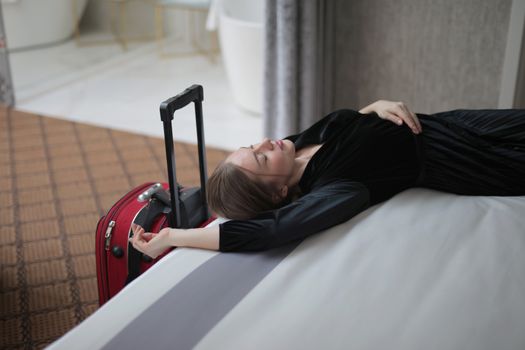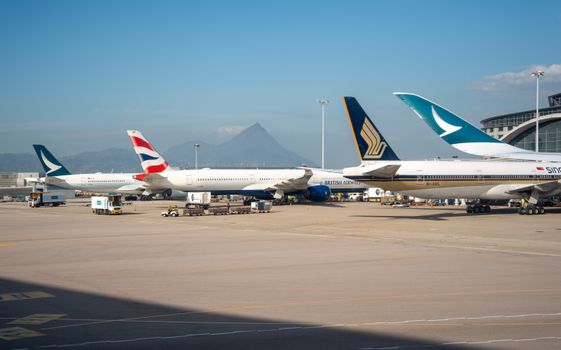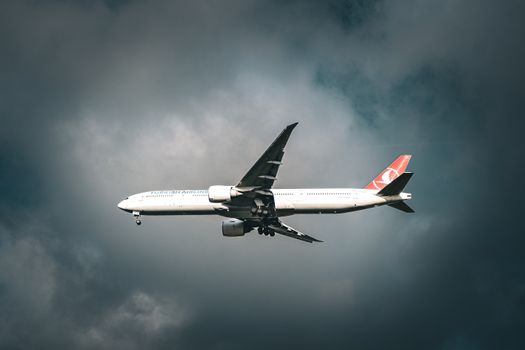
Traveling across multiple time zones is an exhilarating experience, opening doors to new cultures, landscapes, and adventures. However, one unwelcome companion often tags along for long-haul journeys: jet lag. While travelers commonly search for personal remedies, airlines themselves are stepping up to the challenge, introducing innovative strategies to help passengers adjust their internal clocks. In this comprehensive airline guide, we’ll explore how major airlines around the world address jet lag in their passengers, from cutting-edge cabin technology to creative inflight experiences and collaborations with sleep experts. Whether you’re a frequent flyer or planning your first intercontinental trip, understanding these measures can make your journey smoother and more enjoyable.
The Science Behind Jet Lag and Airline Responsibility
Jet lag occurs when our circadian rhythms—our internal body clocks—are disrupted by rapid travel across time zones. Symptoms can include sleep disturbances, fatigue, digestive problems, and reduced cognitive performance. According to the Centers for Disease Control and Prevention (CDC), jet lag most significantly affects travelers crossing three or more time zones, with symptoms potentially lasting up to a week.
As international air travel becomes more accessible and frequent, airlines recognize that passenger wellness is not just a luxury, but an essential part of the travel experience. In a 2022 survey by the International Air Transport Association (IATA), over 60% of travelers cited jet lag as their top concern when booking long-haul flights. In response, airlines are investing millions into research, technology, and partnerships to help travelers arrive refreshed and ready to go.
Cabin Innovations: Lighting, Air Quality, and Seating
One of the most significant ways airlines combat jet lag is through the design and technology of their cabins. Modern aircraft like the Boeing 787 Dreamliner and Airbus A350 incorporate features specifically aimed at reducing jet lag.
Dynamic Lighting Systems: Newer planes are equipped with LED lighting that can mimic the natural progression of sunlight. For example, the Dreamliner’s lighting system gradually shifts in color and intensity to simulate sunrise or sunset, helping passengers’ bodies adjust to their destination’s time zone. A 2018 study by the University of Surrey found that exposure to simulated natural lighting reduced jet lag symptoms by up to 60%.
Improved Air Quality and Cabin Pressure: Traditional aircraft maintain cabin pressure equivalent to 8,000 feet, which can contribute to dehydration and discomfort. The Boeing 787, however, is pressurized to 6,000 feet and uses advanced air filtration systems, resulting in 8% higher humidity and cleaner air. This not only enhances comfort but also helps stabilize circadian rhythms.
Comfortable Seating and Sleep Pods: Airlines like Air New Zealand and Emirates are experimenting with lie-flat seats, Skycouch options, and even bunk bed-style sleep pods in premium cabins. These innovations provide more restful sleep opportunities, directly addressing one of jet lag’s core symptoms.
Inflight Programs: Exercise, Entertainment, and Wellness
Beyond the physical environment, airlines are introducing inflight programs designed to keep passengers active, relaxed, and aligned with their destination’s time zone.
Guided Stretching and Exercise Videos: Singapore Airlines and Qantas offer video-guided stretching routines on their inflight entertainment systems, encouraging passengers to move periodically. Regular movement not only reduces the risk of deep vein thrombosis but also promotes alertness and can help reset the body clock.
Meditation and Relaxation Apps: Many airlines, such as British Airways, partner with meditation platforms like Headspace, offering guided meditations and sleep aids. These tools help passengers wind down or adjust their sleep schedules, depending on their travel direction.
Customized Entertainment Schedules: Airlines are beginning to tailor entertainment options based on flight times and destinations. For example, passengers departing on overnight flights may be encouraged to sleep early with calming music, while those arriving in the afternoon are offered stimulating content to keep them awake.
Partnerships with Sleep and Wellness Experts
Recognizing the limitations of inflight measures alone, airlines are forging partnerships with leading sleep specialists and wellness brands to create holistic anti-jet lag programs.
Collaborations with Universities and Sleep Labs: In 2019, Qantas launched its “Project Sunrise” initiative, conducting research with the University of Sydney’s Charles Perkins Centre. Volunteers on ultra-long-haul test flights followed custom lighting, meal, and activity schedules developed by sleep scientists. Early results indicated that tailored routines could reduce jet lag symptoms by up to 40%.
Wellness Kits and Sleep Accessories: Some airlines provide premium passengers with sleep kits containing melatonin-infused eye masks, herbal teas, or aromatherapy sprays. For instance, Delta Air Lines’ Delta One suites offer L’OCCITANE amenities designed to promote relaxation and ease sleep transitions.
Pre-Departure Guidance: Airlines like Lufthansa have begun sending pre-flight emails with advice on sleep, hydration, and activity timing based on the traveler’s route and arrival time. This proactive approach helps passengers start adjusting even before boarding.
Onboard Nutrition and Hydration Strategies
While onboard meal choices have been a focal point in many jet lag discussions, airlines are now taking a more scientific approach to their food and beverage offerings.
Timing of Meals: Research shows that strategically timed meals can help reset the body’s circadian rhythm. Japan Airlines, for example, serves meals that are aligned with the destination’s local time, encouraging passengers to adapt their eating schedule in-flight.
Balanced Nutrition: Airlines are working with nutritionists to craft menus rich in complex carbohydrates, lean proteins, and hydrating fruits and vegetables. For instance, Singapore Airlines offers “Wellness Cuisine” options that avoid heavy, rich foods known to disrupt sleep.
Hydration Stations: Dehydration exacerbates jet lag, so airlines like Emirates and Qatar Airways offer self-serve hydration stations with water, herbal teas, and electrolyte-rich beverages throughout the flight.
Comparing Airline Jet Lag Solutions: Who’s Leading the Pack?
Travelers often wonder which airline offers the best support against jet lag. Here’s a comparative overview of some leading airlines and their unique initiatives:
| Airline | Cabin Innovations | Inflight Programs | Wellness Partnerships | Onboard Nutrition |
|---|---|---|---|---|
| Qantas | Dynamic lighting, Dreamliner cabins | Guided stretching, meditation | Charles Perkins Centre (Project Sunrise) | Meals timed to destination |
| Singapore Airlines | High humidity, air purification | Exercise videos, sleep aids | Wellness cuisine with nutritionists | Hydrating meal options |
| Delta Air Lines | Lie-flat seats, L’OCCITANE sleep kits | Calming music, guided relaxation | Sleep product partnerships | Balanced, light menus |
| Emirates | LED lighting, hydration stations | Relaxation channels, mood lighting | Wellness amenity kits | Electrolyte-rich beverages |
| British Airways | Cabin pressure optimization | Headspace meditation, sleep playlists | Mental health app collaborations | Wholesome, light meals |
How Airlines Are Shaping the Future of Jet Lag Management
The airline industry’s approach to jet lag is evolving rapidly, propelled by technological advances and growing passenger expectations. Airlines are not only focused on comfort but are also prioritizing evidence-based solutions to improve health and productivity for international travelers.
Looking ahead, experts predict further innovations such as:
- Smart Cabin Environments: Integration of wearable technology and personalized lighting or temperature settings based on individual passenger data. - AI-Driven Flight Planning: Artificial intelligence could help design flight schedules and cabin environments tailored to minimize circadian disruption for specific routes. - Expanded Wellness Partnerships: Airlines are expected to deepen collaborations with health tech firms, offering personalized jet lag management plans before, during, and after travel.As global travel rebounds post-pandemic, airlines that invest in passenger wellness—and communicate these efforts clearly—will likely gain a competitive edge. For travelers, choosing an airline with robust jet lag support can mean the difference between arriving groggy or ready to seize the day.
Final Thoughts: Making the Most of Airline Jet Lag Solutions
With long-haul travel set to increase by 20% over the next five years according to IATA, airlines are more committed than ever to tackling jet lag head-on. From innovative lighting and cabin design to expert-led wellness programs and nutritious meal offerings, airlines are reinventing the inflight experience. While no airline can entirely eliminate jet lag, these efforts significantly improve the odds of a smoother transition.
As a traveler, being aware of these airline initiatives—and taking advantage of them—can enhance your comfort and well-being. Next time you book a long-haul flight, consider not just price and schedule, but also the airline’s commitment to jet lag management. Your body and mind will thank you.