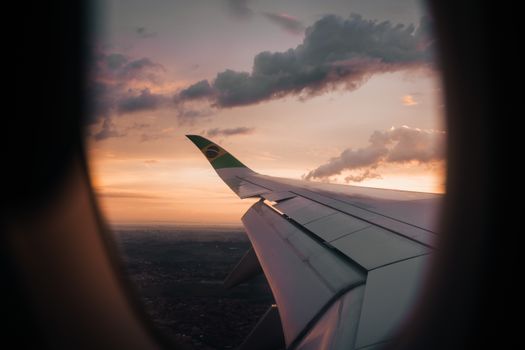
Jet Lag and Its Impact on Mental Health: How to Cope With It
Traveling across time zones can be an exhilarating experience, opening doors to new cultures, opportunities, and adventures. However, for millions of travelers every year, the excitement is often dampened by a familiar foe: jet lag. While most people associate jet lag with physical symptoms like fatigue and insomnia, its impact on mental health is far-reaching and often underestimated. From mood swings to cognitive impairment, jet lag can significantly disrupt your emotional well-being. Understanding this connection, and learning how to cope, is essential for anyone who wants to travel well and stay mentally resilient.
The Science Behind Jet Lag and Circadian Rhythms
Jet lag is more than just feeling tired after a long flight. It occurs when your body’s internal clock—known as the circadian rhythm—becomes misaligned with the local time at your destination. The circadian rhythm is a natural, internal process that regulates our sleep-wake cycle and repeats roughly every 24 hours. This biological clock is influenced by external cues like light, temperature, and social activity.
When you cross multiple time zones quickly, as with air travel, your body needs time to adjust. It typically takes about one day to recover for every time zone crossed. For example, if you fly from New York to Paris—a six-hour time difference—you might need nearly a week to feel fully adjusted. According to the Centers for Disease Control and Prevention (CDC), over 93% of travelers experience jet lag symptoms after crossing three or more time zones.
Jet lag disrupts not only sleep patterns but also hormone production, body temperature regulation, and appetite—all of which can influence mental health. The severity and duration of jet lag symptoms can vary based on direction of travel (eastward travel tends to be harder than westward), age, and individual resilience.
Mental Health Consequences of Jet Lag
While the physical symptoms of jet lag—fatigue, digestive issues, and sleep disturbances—are well known, the psychological impacts are often overlooked. Prolonged misalignment of the circadian rhythm can lead to a host of mental health challenges:
1. $1 Studies have shown that jet lag can cause irritability, anxiety, and even depressive symptoms. A 2019 review published in the journal Sleep Medicine Reviews found that travelers experiencing jet lag were 2.3 times more likely to report mood swings and depressive symptoms compared to non-jet-lagged travelers. 2. $1 Jet lag can affect concentration, memory, and decision-making. One study in the Journal of Clinical Sleep Medicine reported a 20% decrease in short-term memory performance in people suffering from severe jet lag. 3. $1 Disrupted sleep and feeling out of sync with your surroundings can increase cortisol, the stress hormone, making it harder to manage daily challenges. 4. $1 For individuals with pre-existing mental health conditions such as depression, anxiety, or bipolar disorder, jet lag can trigger relapses or intensify symptoms.These consequences are especially important for business travelers, athletes, and anyone whose performance or well-being depends on optimal mental functioning.
Jet Lag vs. Other Travel-Related Stressors: A Comparison
Jet lag is only one of several stressors that travelers face. Other factors—such as travel anxiety, culture shock, and homesickness—can also impact mental health. Understanding how jet lag compares to these can help you recognize and address your unique challenges.
| Travel Stressor | Key Symptoms | Onset Timing | Duration | Impact on Mental Health |
|---|---|---|---|---|
| Jet Lag | Fatigue, insomnia, mood swings, cognitive impairment | Within hours of arrival | 3-7 days (varies by time zones crossed) | High (especially mood, cognition) |
| Travel Anxiety | Nervousness, worry, panic attacks | Before and during travel | Varies (can be chronic) | High (anxiety, stress) |
| Culture Shock | Confusion, frustration, loneliness | After arrival, often delayed | Weeks to months | Moderate to high (adaptation difficulty) |
| Homesickness | Sadness, longing for home, isolation | After arrival, often delayed | Weeks to months (can be shorter) | Moderate (affects mood) |
As shown in the table, jet lag is unique in its rapid onset and intense impact on both physical and mental faculties. This makes it critical to address early, particularly for frequent travelers.
Recognizing the Signs: When Jet Lag is Affecting Your Mental Health
It’s not always easy to distinguish between normal travel fatigue and jet lag-induced mental health issues. Here are some signs that your mental health may be suffering due to jet lag:
- Persistent feelings of sadness or anxiety not typical for you - Difficulty focusing, making decisions, or remembering things - Trouble adapting to new routines, even after several days - Lack of enjoyment in activities or social interactions - Irritability or mood swings that affect relationshipsA survey conducted by the International Air Transport Association (IATA) in 2022 found that 38% of respondents reported significant emotional distress after long-haul flights, with the majority citing jet lag as a contributing factor. If you notice these symptoms lasting more than a week, or if they worsen, it may be time to seek professional help.
Strategies to Cope With Jet Lag’s Psychological Effects
Coping with jet lag isn’t just about getting more sleep. Addressing its psychological effects requires a multifaceted approach. Here are evidence-based strategies to help you transition more smoothly:
1. $1 Sunlight is the most powerful cue for resetting the circadian rhythm. Try to get outside in natural light as soon as possible after arrival. If that’s not feasible, consider a light therapy box—studies show this can reduce jet lag symptoms by up to 50%. 2. $1 Avoid making major decisions, engaging in high-stakes work, or having important social interactions during the first 48 hours after arrival. Give your brain time to adjust. 3. $1 Isolation can intensify feelings of depression and anxiety. Make an effort to engage with others, even if it’s just a phone call or a walk with a colleague. 4. $1 Dehydration and poor nutrition can worsen both physical and mental symptoms. A study from the University of Colorado found that travelers who maintained optimal hydration reported a 22% reduction in mood disturbances related to jet lag. 5. $1 Maintain a consistent bedtime routine, avoid caffeine and alcohol near bedtime, and use earplugs or eye masks to improve sleep quality. 6. $1 Practices like deep breathing, progressive muscle relaxation, or gentle yoga can help regulate stress hormones and promote a sense of calm. 7. $1 Physical activity, even light exercise like stretching or a short walk, can boost endorphins and help rebalance your mood. 8. $1 Blue light from screens can interfere with your body’s production of melatonin, the hormone that regulates sleep. Try to avoid screens for at least an hour before your intended bedtime.Long-Term Mental Health Implications for Frequent Travelers
For those who travel frequently—such as business professionals, flight crews, and digital nomads—the cumulative impact of repeated jet lag episodes can be significant. Chronic circadian disruption has been linked to increased risk of depression, anxiety disorders, and even cognitive decline over time. For example, a 2016 study published in the journal Occupational & Environmental Medicine found that flight attendants working on transmeridian flights had a 30% higher risk of developing mood disorders compared to those working on domestic routes.
Moreover, long-term disruption of the circadian rhythm has been associated with metabolic disorders, impaired immune function, and higher incidence of certain cancers. For mental health, the most pronounced risks include:
- Chronic sleep disturbances - Persistent mood disorders - Higher susceptibility to burnout and emotional exhaustionFrequent travelers should be particularly vigilant about self-care, seeking professional support when needed, and advocating for schedules that allow adequate recovery time.
Final Thoughts on Jet Lag and Mental Health
Jet lag is far more than a temporary inconvenience—it’s a complex physiological and psychological challenge that can have lasting effects on your mental health. Whether you’re a once-a-year vacationer or a seasoned globetrotter, understanding the links between jet lag and emotional well-being is vital. By recognizing the signs, implementing practical coping strategies, and taking proactive steps to care for your mind as well as your body, you can ensure that travel remains a source of joy and growth, not stress and suffering.