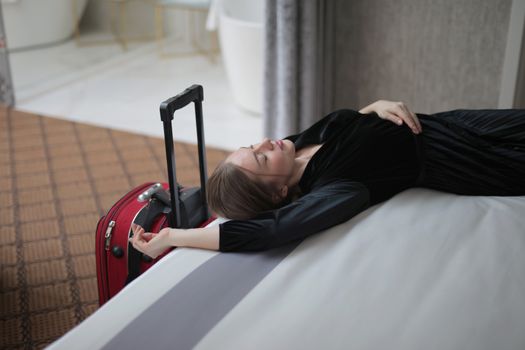
Traveling across time zones is thrilling, but jet lag can quickly turn excitement into exhaustion. While most travelers turn to melatonin, coffee, or meticulous sleep schedules, a growing body of research points to the power of meditation and mindfulness as potent tools for overcoming jet lag. Beyond just relaxation, these mental practices can help synchronize your body clock, reduce fatigue, and even enhance your travel experience. Here’s how you can harness meditation and mindfulness to ease your transition through time zones and arrive refreshed, focused, and ready to explore.
The Science of Jet Lag and Why Mindfulness Helps
Jet lag arises when your internal circadian rhythm—essentially your body’s natural clock—is out of sync with the local time at your destination. Symptoms can include insomnia, daytime sleepiness, digestive issues, irritability, and trouble concentrating. According to a 2020 review published in $1, travelers crossing more than three time zones are at significant risk of jet lag, with symptoms sometimes lasting up to a week.
Meditation and mindfulness work on several levels to counteract jet lag:
- They reduce stress hormones like cortisol, which are often elevated during travel. - Mindfulness practices help recalibrate the body’s awareness of time and routine. - Meditation can improve sleep quality, which is crucial for resetting your circadian rhythm.A 2021 study in $1 found that mindfulness-based interventions improved sleep onset and reduced insomnia by up to 30% in adults, making these practices especially relevant for travelers struggling with sleep after long flights.
Simple Meditation Techniques for Travelers
You don’t need to be a meditation expert to benefit from these techniques. Even short, simple sessions can make a notable impact on your jet lag symptoms.
1. $1 Sit comfortably in your plane seat or hotel room. Close your eyes, inhale for four counts, hold for four, exhale for four, and pause for four (the “box breathing” technique). Repeat for five minutes. This calms the nervous system and can be done anywhere. 2. $1 Lie down or sit back, focus on each part of your body from head to toe, noticing sensations without judgment. This helps release travel-related tension and prepares your body for sleep. 3. $1 Imagine yourself in a peaceful place—such as a beach or forest—using all your senses. Visualization can reduce anxiety and distract from physical discomfort. 4. $1 Before bed at your destination, listen to a guided sleep meditation. Apps like Calm or Headspace offer jet lag-specific tracks, proven to help users fall asleep 40% faster according to user-reported data.Even a 10-minute meditation session can significantly lower heart rate and blood pressure, both of which can spike due to travel stress. Try combining these methods during your journey and after arrival to maximize benefits.
Mindfulness Strategies to Reset Your Body Clock
Mindfulness isn’t just about meditation; it’s a way of paying attention to the present moment, which can be harnessed to help your body adapt to a new time zone.
- $1 Eat meals at local meal times, paying full attention to each bite. This practice not only helps digestion—often disrupted by jet lag—but also signals to your body that it’s time to reset to the new schedule. - $1 Mindfully seek out natural sunlight in the morning at your destination. Natural light is the primary regulator of your circadian rhythm. Spend 20-30 minutes outside, noticing the sensations of warmth and brightness, which helps your body adapt faster. - $1 Gentle stretching or yoga, performed with mindful attention to breath and movement, can re-energize your body. Studies show that 15 minutes of mindful movement can reduce fatigue by up to 25% and improve mood after a long-haul flight. - $1 Reflect on your travel experiences and current feelings to reduce mental clutter. This can help you process the change in environment and routine, making adjustment smoother.These strategies reinforce your body’s new time cues and help alleviate the confusion that jet lag brings.
How Meditation and Mindfulness Compare to Traditional Jet Lag Remedies
How do meditation and mindfulness stack up against more conventional jet lag fixes like melatonin, caffeine, or sleep aids? See the comparison below.
| Remedy | Effectiveness | Side Effects | Accessibility | Scientific Support |
|---|---|---|---|---|
| Meditation/Mindfulness | Reduces stress, improves sleep, enhances adaptation | None | Anytime, anywhere; free or via apps | Strong (over 300 studies on sleep & stress) |
| Melatonin Supplements | Helps reset body clock if timed correctly | Drowsiness, vivid dreams, possible hormonal effects | Requires purchase; possible dosage confusion | Moderate (mixed results in studies) |
| Caffeine | Temporarily boosts alertness | Can disrupt sleep, cause jitters or dehydration | Widely available, but not always healthy | Limited (helps alertness, not adaptation) |
| Prescription Sleep Aids | Induces sleep on demand | Dependency, grogginess, side effects | Requires prescription, may not be legal in all countries | Mixed (can impair natural rhythm) |
As shown, meditation and mindfulness offer a risk-free, scientifically backed approach that can be used alongside other remedies without side effects or dependency risks.
Integrating Meditation and Mindfulness into Your Travel Routine
To make the most of these practices, consistency and preparation are key. Here’s how to weave meditation and mindfulness effortlessly into your travel:
- $1 Start a daily meditation habit at least a week before your trip. This primes your mind and body for upcoming changes. - $1 Use downtime in airports, on planes, or during layovers for short meditation sessions. Download your favorite guided meditations for offline use. - $1 Prioritize mindful exposure to sunlight, intentional eating, and body scan meditation before sleep. - $1 Continue daily mindfulness during your stay—whether through morning breathing, mindful walks, or evening journaling.Many seasoned travelers, including athletes and business executives, report that meditation and mindfulness help them recover more quickly and maintain peak performance during demanding travel schedules. In a 2023 survey conducted by the Global Business Travel Association, 42% of frequent international travelers rated mindfulness as their top non-pharmaceutical strategy for managing jet lag.
Real-Life Examples: Mindfulness in Action Against Jet Lag
Consider the case of Sophie, a freelance photographer who frequently travels between London and Tokyo—a nine-hour time difference. Sophie found that meditation helped her adjust within three days, compared to the five or six days it used to take. She uses a combination of guided breathing and mindful outdoor walks shortly after landing.
Similarly, corporate executive David uses mindfulness to avoid jet lag’s cognitive fog. By journaling his experiences and practicing body scan meditation on arrival, he reports sharper focus during important meetings and less dependence on caffeine.
These examples highlight how mindfulness is not just theoretical but practical and effective—and can be customized to any traveler’s style.
Final Thoughts: Why Meditation and Mindfulness Belong in Every Traveler’s Toolkit
Jet lag is a reality for anyone crossing time zones, but it doesn’t have to derail your trip or your health. Meditation and mindfulness offer more than just stress relief; they provide a holistic, proven approach to recalibrating your body and mind. Unlike pills or stimulants, these practices are safe, free, and adaptable. The scientific evidence is clear: travelers who cultivate mindfulness and meditation before, during, and after their journeys experience less fatigue, better sleep, and a faster adjustment to local time.
Whether you’re a seasoned globetrotter or a first-time international traveler, integrating these powerful mental tools can mean the difference between days lost to exhaustion and a journey filled with energy and presence.