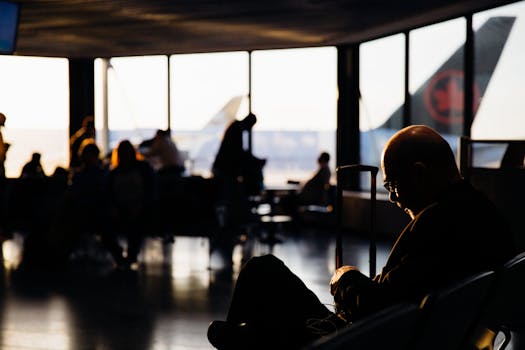
Traveling across time zones can be exhilarating, opening doors to new cultures, experiences, and opportunities. However, the excitement of travel is often dimmed by jet lag—a physiological phenomenon that disrupts the body's internal clock. While most travelers associate jet lag with grogginess and fatigue, its effects on mental health are less commonly discussed. For those prone to anxiety or depression, or anyone who values their emotional well-being, understanding how jet lag can impact mental health—and learning how to cope—is crucial for a positive travel experience.
The Science of Jet Lag and Its Link to Mental Health
Jet lag occurs when your body's circadian rhythm—your internal 24-hour clock—falls out of sync with the new local time after crossing multiple time zones. This misalignment can result in a range of symptoms: sleep disturbances, daytime fatigue, digestive issues, difficulty concentrating, and mood changes.
Recent research highlights a strong link between circadian disruption and mental health. According to a 2018 study published in $1, people with irregular circadian rhythms are 6-10% more likely to experience symptoms of depression and anxiety. Another study from the University of California, Berkeley found that even brief disturbances to natural sleep patterns can increase negative emotional responses by up to 30%.
For travelers, these findings mean jet lag isn’t just a physical nuisance—it can have real, measurable effects on mood, cognitive function, and emotional resilience. The risk is especially pronounced for those who already struggle with anxiety or depression, but even mentally healthy travelers may find themselves feeling unusually irritable, weepy, or anxious after a long-haul flight.
Recognizing the Mental Health Impact of Jet Lag
Understanding the mental symptoms of jet lag is the first step toward managing them. Besides classic signs like insomnia or fatigue, jet lag can trigger or worsen a variety of psychological symptoms:
- Increased anxiety or nervousness - Depressed mood or hopelessness - Irritability and mood swings - Difficulty focusing or making decisions - Heightened emotional sensitivityA survey conducted by the International Air Transport Association in 2022 found that 42% of frequent flyers experienced mood disturbances such as anxiety or irritability after long-haul travel. Importantly, these mental health effects can last for several days, especially if travelers move through more than three time zones or do not allow adequate time for adjustment.
Why Jet Lag Makes Anxiety and Depression Worse
Jet lag’s impact on mental health is rooted in both biological and psychological factors:
1. $1: Sleep deprivation is a key trigger for both anxiety and depression. A 2019 review in $1 found that even one night of poor sleep can increase anxiety by up to 20%. 2. $1: Jet lag interferes with the production of melatonin (the sleep hormone) and cortisol (the stress hormone), both of which regulate mood and emotional responses. 3. $1: Being in an unfamiliar environment, possibly with language barriers, can heighten stress levels. When coupled with jet lag, this can create a “perfect storm” for mental health challenges. 4. $1: Mental resilience is lower when the body is physically exhausted, making it harder to cope with stress or negative emotions.Strategies to Cope with Jet Lag-Related Anxiety and Depression
While jet lag cannot be entirely avoided, there are practical steps travelers can take to minimize its impact on mental health. Here are some evidence-backed strategies:
1. $1 If possible, begin adjusting your sleep and meal times to match your destination's time zone a few days before you depart. Research from Stanford University shows that even a one-hour shift can make the adjustment easier and reduce jet lag severity by up to 50%. 2. $1 Bring sleep aids like earplugs, an eye mask, or a white noise app. Avoid caffeine and alcohol before bedtime, and use relaxation techniques such as deep breathing or progressive muscle relaxation to help you fall asleep. 3. $1 Mild exercise, like walking or stretching, can help reset your circadian rhythm and boost mood by releasing endorphins. A 2020 study in $1 found that 30 minutes of moderate exercise can reduce symptoms of anxiety by 25%. 4. $1 Mindfulness meditation, journaling, or even a few minutes of deep breathing can help you manage overwhelming emotions. The American Psychological Association recommends mindfulness as a proven way to reduce both anxiety and depression. 5. $1 Reach out to friends or family, even virtually, to talk about how you’re feeling. Social support is one of the strongest predictors of mental health resilience when dealing with jet lag and travel-related stress. 6. $1 If depressive or anxious symptoms persist for more than a week, or interfere with your daily functioning, consult a mental health professional. Many therapists offer telehealth appointments, making it easier to access care while abroad.Comparing Jet Lag’s Effects: Physical vs. Mental Symptoms
Understanding the difference and overlap between physical and mental symptoms can help travelers recognize when jet lag is affecting their emotional health. Here’s a side-by-side comparison:
| Physical Symptoms | Mental Symptoms |
|---|---|
| Fatigue and sleepiness | Increased anxiety or nervousness |
| Digestive disturbances (nausea, constipation) | Depressed mood or hopelessness |
| Headaches | Irritability and mood swings |
| Muscle aches | Difficulty concentrating |
| Insomnia | Heightened emotional sensitivity |
While physical symptoms are often more immediately noticeable, mental symptoms can be just as disruptive—and sometimes harder to identify. Recognizing both sets of symptoms allows for a more holistic approach to coping.
Tailoring Your Coping Plan: Special Considerations for Vulnerable Travelers
Certain groups are more vulnerable to jet lag’s mental health effects:
- $1: Those diagnosed with anxiety, depression, or bipolar disorder are at a higher risk of symptom recurrence after circadian disruption. - $1: Younger travelers may not be able to articulate emotional discomfort, leading to behavioral changes instead. - $1: Seniors often have less flexible circadian rhythms, making them more susceptible to both physical and mental symptoms.For these groups, additional precautions may be necessary. For example:
- Carry an updated list of medications and mental health providers at your destination. - Schedule important activities or meetings for times when you’re most alert. - Allow for extra downtime or rest periods, especially in the first 48 hours after arrival.Embracing a Resilient Mindset: Turning Jet Lag Into an Opportunity
While jet lag can be challenging, it also offers an opportunity to practice self-care and build resilience. Accepting that some disruption is inevitable—and planning proactively—can turn a potential setback into a growth experience.
Travelers who use jet lag as a signal to slow down, prioritize sleep, and check in with their emotions often report a greater sense of self-awareness and adaptability. In a 2021 survey by the Global Wellness Institute, 68% of respondents who incorporated mindfulness and self-care into their travel routines reported better overall mood and less severe jet lag.
Instead of viewing jet lag solely as a problem, reframing it as part of the adventure can help reduce anxiety and foster a positive outlook. Embrace small rituals: morning walks in your new city, journaling about your experiences, or savoring local foods. These mindful moments can anchor you and support emotional equilibrium during times of change.
Key Takeaways: Managing Jet Lag for Better Mental Health
Jet lag is more than a minor inconvenience—it can significantly impact your mental well-being, especially if you’re prone to anxiety or depression. By understanding the underlying science, recognizing symptoms early, and implementing targeted coping strategies, you can minimize the negative effects and make your travel experience more enjoyable.
Remember: prioritize sleep, practice mindfulness, stay connected to support, and don’t hesitate to seek professional help if needed. With preparation and self-awareness, you can protect your mental health and embrace the full joy of travel.