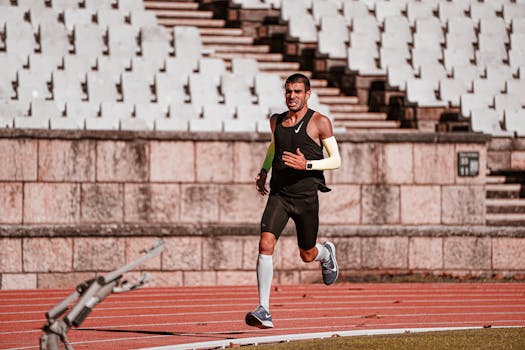
The Impact of Time Zones on Athletes' Performance and Jet Lag
Traveling across time zones is an unavoidable reality for many professional and amateur athletes in today's globalized world. As international competitions, training camps, and tournaments become more frequent, the physiological and psychological challenges imposed by time zone changes and jet lag have become a critical consideration in sports science. While most people associate jet lag with simple tiredness or disrupted sleep, for athletes, even minor shifts in their internal biological clock can mean the difference between victory and defeat. This article delves into the science behind how time zones impact athletic performance, why jet lag is particularly problematic for sports professionals, and what research reveals about adaptation, recovery, and competitive outcomes.
The Science of Circadian Rhythms and Athletic Performance
At the heart of the time zone dilemma lies the circadian rhythm—a 24-hour cycle that governs the body’s physical, mental, and behavioral changes. Regulated by the brain’s suprachiasmatic nucleus, these rhythms influence hormone levels, sleep-wake cycles, muscle function, and even reaction times.
Numerous studies have demonstrated that peak athletic performance is not evenly distributed throughout the day. For example, a 2012 analysis published in the Journal of Sports Sciences found that maximal power output in sprint cyclists was, on average, 7% higher in the late afternoon compared to early morning sessions. Similar trends are seen in endurance sports, strength events, and skill-based activities, with most athletes performing best between 3:00 PM and 7:00 PM local time.
When athletes travel across time zones, especially rapidly (such as by air), their internal clocks become misaligned with the local environment—a phenomenon known as circadian misalignment. This desynchronization can decrease alertness, impair coordination, and slow reaction times, all of which are detrimental in competitive scenarios.
Jet Lag and Its Unique Effects on Athletes
Jet lag is more than just feeling sleepy at the wrong time. For athletes, it brings a constellation of problems:
- Reduced sleep quality and duration - Impaired cognitive processing, including decision-making and tactical awareness - Decreased physical performance, particularly in the first 48 hours after arrivalA 2020 review in Sports Medicine highlighted that athletes crossing more than three time zones faced a 60% greater risk of injury during matches held within 48 hours of arrival. For elite competitors, even a small percentage drop in performance can have significant consequences. For instance, a study analyzing NBA teams from 2013-2017 found that teams traveling eastward across two or more time zones had a 6% lower win percentage compared to their home games.
Jet lag severity depends on several factors:
- Direction of travel: Eastward travel (advancing the clock) is generally harder to adjust to than westward travel (delaying the clock). - Number of time zones crossed: The more zones, the greater the misalignment. - Timing of competition: Competing soon after arrival increases risk.Performance Differences by Time Zone: Real-World Evidence
The impact of time zones on athletic performance is not just theoretical. Multiple real-world analyses have shown measurable effects on outcomes. Consider these examples:
- A 2016 study of Major League Baseball (MLB) games found that teams crossing three time zones to play away games lost 60% of the time, compared to a 46% loss rate for teams not crossing time zones. - During the 2015 Rugby World Cup, teams arriving less than 48 hours before their matches were 2.7 times more likely to lose than those with longer acclimatization periods. - A 2008 Olympic Games report noted that athletes from countries with a time difference of more than 5 hours from Beijing won 12% fewer medals than statistically expected, compared to nations with less than 3 hours’ difference.Here’s a simplified comparison table summarizing findings from various sports:
| Sport/Event | Time Zones Crossed | Performance Impact | Reference |
|---|---|---|---|
| NBA Basketball | 2+ Eastward | 6% lower win rate | Smith et al., 2017 |
| MLB Baseball | 3+ Any Direction | 14% higher loss rate | Recht et al., 2016 |
| Rugby World Cup | 2+ Any Direction | 170% higher loss odds if
More from the archiveView full article archive →
jetlagtips.com
Beat Jet Lag: How to Safeguard Your Immune System When Traveling
jetlagtips.com
Beat Jet Lag on Business Trips: Advanced Strategies for Peak Performance
jetlagtips.com
Beat Jet Lag: Proven Tips to Sleep Well After a Long Flight
jetlagtips.com
Debunking Jet Lag Myths: What Really Helps vs. Popular Misconceptions
jetlagtips.com
Jet Lag in Seniors: Effective Strategies for Post-Travel Recovery
jetlagtips.com
Senior Travel Tips: Maintaining Energy & Beating Jet Lag on Flights
jetlagtips.com
Jet Lag's Toll on Senior Mental Health: Effective Coping Strategies
jetlagtips.com
Smart Senior Travel: Tips to Manage Jet Lag and Health on Trips |