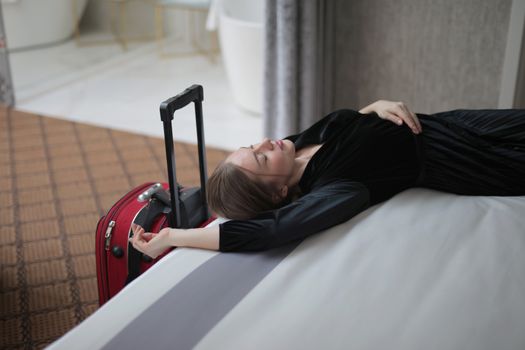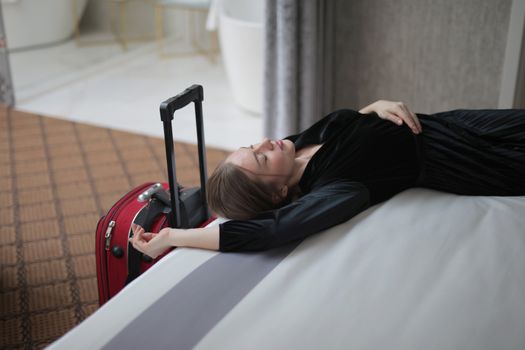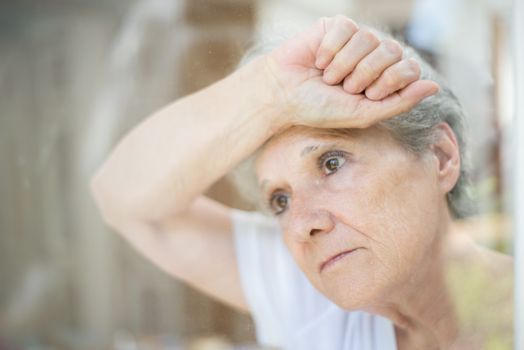
Jet lag is a familiar foe to international travelers, often turning the excitement of a new destination into a battle with fatigue, insomnia, and grogginess. While plenty of advice exists about light exposure, hydration, and sleep schedules, one gentle yet powerful remedy is often overlooked: the use of teas and herbs. Nature’s pharmacy offers an array of botanicals that can help rebalance your internal clock, soothe your nerves, and promote restorative sleep. In this guide, we’ll explore the best teas and herbs for alleviating jet lag symptoms, examine how they work, and compare their benefits to help you travel smarter and recover faster.
Understanding Jet Lag and Its Impact on the Body
Jet lag, also known as desynchronosis, occurs when your circadian rhythms are disrupted by rapid travel across time zones. Symptoms can include daytime sleepiness, trouble falling asleep at night, impaired concentration, digestive issues, and irritability. According to the Centers for Disease Control and Prevention (CDC), crossing three or more time zones can significantly increase the likelihood and severity of jet lag, with eastward travel causing more pronounced issues than westward journeys.
The disruption happens because your body’s internal clock, which regulates sleep, hormone release, and body temperature, remains synced to your original time zone. This mismatch can take days to resolve—one study found that the average person recovers at a rate of one time zone per day. While there are pharmaceutical options to promote sleep or alertness, natural remedies like teas and herbs offer a gentle alternative with fewer side effects.
How Teas and Herbs Help Combat Jet Lag
Herbs and teas have been used for centuries to address sleep disturbances, anxiety, and digestive discomfort—all common symptoms of jet lag. Their effectiveness lies in their plant compounds, such as flavonoids, alkaloids, and essential oils, which interact with the body’s neurotransmitters and hormone systems.
For example, some herbs contain mild sedatives that promote relaxation and sleep, while others stimulate alertness and reduce fatigue. Herbal teas also encourage hydration, which is crucial for combating the dehydrating effects of air travel—a factor that can worsen jet lag symptoms.
Scientific research supports the use of certain herbs for sleep and circadian regulation. For instance, a meta-analysis published in the journal "Sleep Medicine Reviews" found that valerian root significantly improved sleep quality in adults, while chamomile was shown to reduce anxiety and promote relaxation.
Top Teas and Herbs for Jet Lag Relief
Let’s look at some of the most effective teas and herbs for alleviating jet lag symptoms, along with their benefits and recommended uses:
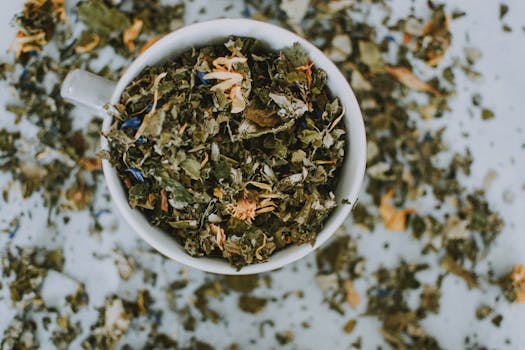
1. $1 - Widely known for its calming properties, chamomile tea is a go-to choice for travelers struggling with insomnia or anxiety. A 2016 study in the "Journal of Advanced Nursing" found that chamomile improved sleep quality in postpartum women, suggesting its gentle effectiveness for sleep disturbances. 2. $1 - Valerian root is a natural sedative that can help shorten the time it takes to fall asleep. A 2020 review in "Phytotherapy Research" concluded that valerian improved sleep parameters without the hangover effect of pharmaceutical sleep aids. 3. $1 - Lemon balm has been shown to reduce stress and promote calmness. A 2014 clinical trial found that participants who consumed lemon balm experienced improved mood and cognitive performance, which can be beneficial for the brain fog associated with jet lag. 4. $1 - While not a sedative, peppermint tea can help ease digestive discomfort—a common jet lag complaint. Its menthol content soothes the stomach and can reduce feelings of nausea or bloating after long flights. 5. $1 - Ginger tea is another excellent option for digestive support. A 2015 study found that ginger reduced nausea and improved gastrointestinal motility, making it a traveler’s ally. 6. $1 - For those needing a gentle energy boost without the jitters, green tea offers moderate caffeine and L-theanine, an amino acid that promotes alertness while reducing anxiety. It’s ideal for adjusting to a new day-night cycle or combating afternoon drowsiness.Comparison of Popular Teas and Herbs for Jet Lag
To help you choose the right herbal remedy for your needs, here’s a comparison table highlighting the key benefits and uses of popular teas and herbs for jet lag:
| Tea/Herb | Main Benefit | Best Time to Use | Scientific Support | Potential Side Effects |
|---|---|---|---|---|
| Chamomile | Promotes relaxation, improves sleep | Evening, before bed | Improved sleep quality (2016 study) | Rare allergic reactions |
| Valerian Root | Reduces time to fall asleep | 30-60 min before bed | Improved sleep parameters (2020 review) | Drowsiness, vivid dreams |
| Lemon Balm | Reduces anxiety, improves mood | Afternoon or evening | Improved mood/cognition (2014 trial) | Mild stomach upset |
| Peppermint | Soothes digestion | After meals or as needed | Supports digestive comfort | Heartburn in sensitive individuals |
| Ginger | Reduces nausea, aids digestion | Before/after meals, during nausea | Reduces nausea (2015 meta-analysis) | Mild heartburn |
| Green Tea | Gentle energy boost, alertness | Morning or early afternoon | L-theanine improves alertness | Insomnia if consumed late |
How to Use Teas and Herbs Safely While Traveling
Although herbal teas are generally safe, there are a few guidelines to maximize their benefits and avoid potential issues:
- $1: If you haven’t tried a particular herb before, drink a small cup to make sure you don’t experience any adverse reactions. - $1 Combining valerian or chamomile with other sedatives can cause excessive drowsiness or interact with medications. - $1: For sleep-promoting teas, drink them 30–60 minutes before your desired bedtime. For energizing or digestive teas, consume them earlier in the day or after meals. - $1: Teas are a great way to add fluids, but don’t rely on caffeinated options alone—alternate with herbal, non-caffeinated teas and plenty of water. - $1: If you are pregnant, breastfeeding, or taking prescription medications (especially anticoagulants or sedatives), check with your healthcare provider before using new herbs.Many travelers bring a travel-sized assortment of tea bags for flights and hotel rooms. All you need is hot water, which is widely available on airplanes and in most accommodations.
Combining Teas and Herbs with Other Jet Lag Strategies
While teas and herbs can ease many jet lag symptoms, combining them with other evidence-based strategies can speed your recovery:
- $1: Seek morning sunlight if you’re trying to advance your sleep schedule (traveling east), or evening sunlight to delay it (traveling west). - $1: Light exercise such as walking or stretching can help reset your body clock and combat fatigue. - $1: Try to eat meals according to your destination’s local time to help your digestive system adjust. - $1: Keep your sleep environment dark, quiet, and cool. Use eye masks or earplugs as needed.Research from the National Sleep Foundation suggests that using multiple approaches together—such as herbal teas, light exposure, and meal timing—can cut jet lag duration by up to 30%.
Final Thoughts on Using Teas and Herbs to Ease Jet Lag
Jet lag doesn’t have to overshadow your journeys. By harnessing the calming, restorative, and digestive properties of certain teas and herbs, you can smooth your transition through time zones and arrive at your destination feeling more refreshed. Whether you need to wind down after a long flight or perk up for a new adventure, there’s a natural remedy to suit your needs. Always use herbs responsibly, and combine them with other healthy travel habits for the best results. Safe travels and sweet dreams!