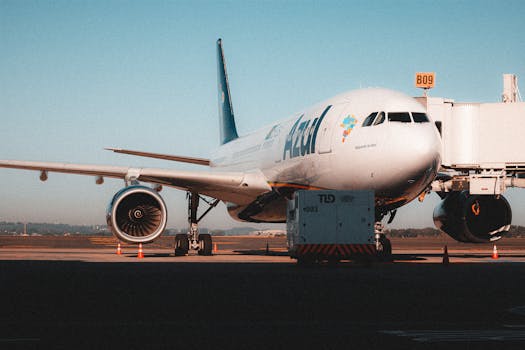
Traveling Across Multiple Time Zones: How to Manage Jet Lag Without Stress
Crossing several time zones in a single journey is both thrilling and demanding. Whether you’re flying from New York to Tokyo for business, venturing from London to Sydney for vacation, or embarking on a complex multi-city itinerary, the transition can leave your body feeling out of sync. Jet lag, that familiar fog of fatigue, irritability, and sleep disruption, is a natural consequence of disrupting your circadian rhythm. But managing jet lag doesn’t have to be stressful or overwhelming. With the right strategies, you can minimize its impact and make the most of your travels—without relying on the same old tips or quick fixes.
This guide explores innovative, science-backed, and practical methods for managing jet lag across multiple time zones. We’ll look beyond traditional remedies and focus on holistic, lifestyle-centered approaches that empower you to adapt smoothly, stay productive, and actually enjoy your journey.
The Science of Jet Lag Across Multiple Time Zones
Jet lag occurs when your internal body clock, governed by the circadian rhythm, falls out of sync with the local time at your destination. The more time zones you cross, the more pronounced this effect becomes. According to the Centers for Disease Control and Prevention (CDC), travelers typically experience noticeable jet lag symptoms after crossing at least three time zones.
The direction of travel also matters. Studies show that eastward journeys (e.g., Los Angeles to London) are harder on the body than westward trips because it’s easier for most people to extend their day than to shorten it. For example, if you travel from New York to Paris (a 6-hour jump), your body may take up to six days to fully adjust—roughly one day per time zone crossed.
Key jet lag symptoms include:
- Insomnia or disrupted sleep - Daytime fatigue - Difficulty concentrating - Gastrointestinal issues - Mood disturbancesUnderstanding these patterns is the first step toward a tailored, stress-free approach to jet lag management, especially when navigating complex itineraries.
Planning Multi-Zone Trips: Itinerary Design for Circadian Health
One of the most overlooked yet impactful ways to reduce jet lag stress is strategic itinerary planning. Many travelers focus on sights and schedules, but neglect how flight times and layovers affect their bodies.
Here are some advanced planning strategies:
1. $1: If possible, avoid scheduling important meetings or events immediately after your arrival. A 2019 study in the Journal of Travel Medicine found that business travelers who scheduled a buffer day performed better and reported lower stress. 2. $1: When traveling eastward, book flights that arrive in the evening local time. This allows you to go to bed shortly after arrival, aligning your sleep schedule more quickly. 3. $1: Breaking up a long-haul journey with a day or two in an intermediate time zone can help your body adapt incrementally. For example, a traveler flying from San Francisco to Dubai might stop in London for a night. 4. $1: If you’re a morning person (lark), early arrivals may suit you better. Night owls might adapt more easily with late afternoon landings. 5. $1: Apps like Timeshifter or Entrain can suggest gradual adjustments to your sleep and light exposure schedule up to a week before departure.By integrating jet lag management into your trip planning, you set the stage for a smoother adjustment and a more enjoyable travel experience.
Nutrition and Hydration: Fueling Your Body for Time Zone Transitions
What you eat and drink before, during, and after your journey plays a crucial role in how your body adjusts to new time zones. Unlike quick fixes such as melatonin supplements or herbal teas, which may offer momentary relief (and have been covered elsewhere), a holistic approach to nutrition can provide sustained support.
Key strategies include:
- $1: Dehydration exacerbates jet lag symptoms. Aim for at least 8 ounces (about 240 ml) of water every hour during your flight, and avoid excessive caffeine and alcohol, both of which can disrupt sleep and further dehydrate you. - $1: Research in the Proceedings of the National Academy of Sciences indicates that syncing your meal times with your destination helps reset your body clock. If you land in the morning, eat a protein-rich breakfast, even if your body says it’s the middle of the night. - $1: A study from the University of Surrey found that meals high in healthy carbohydrates (like whole grains and fruits) can encourage sleepiness, while protein-rich meals (eggs, lean meats) can promote alertness. Use this to your advantage based on your arrival time. - $1: Large or fatty meals can disrupt sleep. Opt for lighter fare in the hours leading up to your intended bedtime. - $1: Long-haul flights can deplete your body’s electrolytes. A balanced electrolyte drink can help combat fatigue and muscle cramps.| Travel Phase | Recommended Foods/Drinks | Foods/Drinks to Avoid |
|---|---|---|
| Pre-flight | Lean proteins, whole grains, vegetables, water | Heavy, greasy foods; excess caffeine |
| In-flight | Water, electrolyte drinks, light snacks (nuts, fruit) | Alcohol, sugary sodas, salty snacks |
| Post-flight | Meal timed to local schedule, fresh produce | Skipping meals, processed fast food |
Following a mindful nutrition and hydration plan can make a measurable difference in how quickly you adapt, reducing both stress and discomfort.
Mindful Movement: Physical Activity for Rapid Adjustment
Jet lag is not just a matter of sleep; it’s also influenced by physical activity and exposure to natural light. Movement stimulates circulation, boosts mood, and helps recalibrate your circadian rhythm.
Consider these movement-based tactics:
- $1: Engage in moderate-intensity exercise (such as brisk walking, jogging, or cycling) a few hours before departure. The American College of Sports Medicine recommends at least 30 minutes to help promote relaxation and reduce pre-flight anxiety. - $1: Stand up to stretch and walk the aisle every 2-3 hours during long-haul flights. Even simple ankle rotations and neck stretches in your seat can help reduce stiffness and improve alertness. - $1: Spend at least 30-60 minutes outdoors during daylight. Natural sunlight is a powerful cue for resetting your internal clock. A study published in Sleep Medicine Reviews found that exposure to morning light significantly reduces jet lag duration after eastward flights. - $1: Gentle yoga, tai chi, or a swim after arrival can help your body adjust without overexertion.By integrating movement into each phase of your journey, you not only combat jet lag but also support your physical and mental well-being.
Sleep Hygiene and Environmental Tools for Stress-Free Adjustment
Adapting to a new time zone hinges on your ability to sleep well in unfamiliar surroundings. While many travelers resort to sleep aids or blackout curtains, a more holistic approach involves optimizing your entire sleep environment and routine.
Here’s how to create a restful transition:
- $1: As soon as you board the plane, change your watch and devices to your destination time. Begin thinking and acting as if you’re already in that time zone. - $1: Bring a travel pillow, eye mask, and noise-canceling headphones. According to the National Sleep Foundation, these tools can increase sleep quality by 30% in unfamiliar settings. - $1: Keep your hotel room between 60-67°F (15-19°C), the optimal range for sleep. - $1: Limit screen time (phones, tablets, laptops) for at least one hour before your intended bedtime. If you must use devices, enable blue light filtering. - $1: Practice relaxation techniques such as deep breathing, meditation, or gentle stretching before bed. Research shows that a consistent routine can help shorten the time it takes to fall asleep by up to 50%. - $1: Gradually shift your wake-up time by 15-30 minutes per day if your schedule allows.By proactively managing your sleep environment and habits, you can reduce the stress and frustration of sleepless nights in a new locale.
Psychological Strategies: Mindset and Stress Reduction for Jet Lag
The mental battle against jet lag is just as important as the physical. Stress and anxiety about disrupted sleep or packed schedules can make symptoms worse. Adopting a positive, flexible mindset can help you handle the transition with grace.
Some effective psychological strategies:
- $1: Remind yourself that symptoms are temporary and part of the adventure of travel. - $1: Mindfulness-based stress reduction (MBSR) has been shown to lower anxiety and improve sleep quality. Even 10 minutes of mindful breathing upon arrival can help. - $1: Don’t expect to operate at 100% immediately. Prioritize essential activities and give yourself permission to rest. - $1: Reach out to friends or colleagues in your destination time zone before you arrive. Social support can ease feelings of isolation and help you adjust more quickly. - $1: Writing about your experiences and challenges can reduce stress and help you notice patterns in how your body adapts.By managing your mindset and emotions, you can reduce the overall stress of jet lag and cultivate a more enjoyable, memorable travel experience.
Making the Most of Your Multi-Time Zone Adventures
Traveling across multiple time zones doesn’t have to mean days of exhaustion and frustration. By understanding the science of jet lag, planning your itinerary with your body’s needs in mind, fueling yourself with the right foods and hydration, moving mindfully, optimizing your sleep environment, and adopting a resilient mindset, you can greatly reduce jet lag’s impact. These strategies go beyond common hacks, offering a holistic, stress-free approach to long-distance travel.
Remember: The journey is as much about adaptation and discovery as the destination itself. With intentional preparation and self-care, you can arrive refreshed, alert, and ready to make the most of every moment—no matter how many time zones you cross.