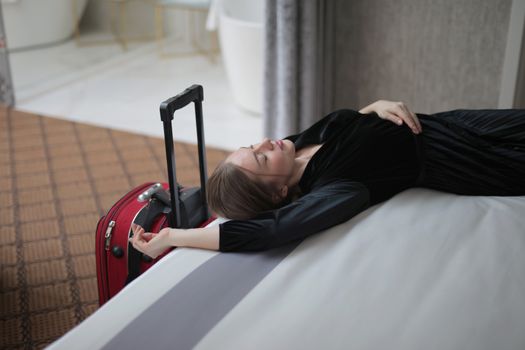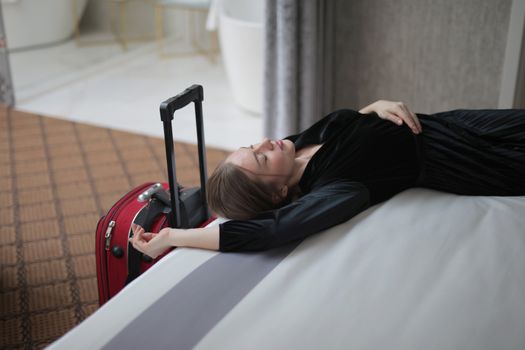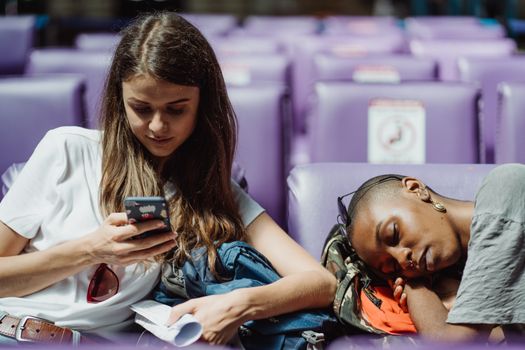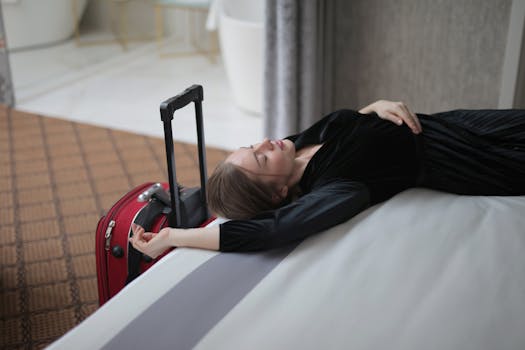
Traveling across multiple time zones can be an exhilarating experience, but jet lag often takes a toll on our bodies and minds, leaving us fatigued, disoriented, and groggy for days. While most travelers focus on diet, sleep schedules, or technology to counteract jet lag, one often overlooked yet incredibly powerful tool lies within each of us: our breath. Effective breathing techniques not only help regulate our internal body clock but also promote faster recovery, sharper mental clarity, and a sense of calm after long-haul flights. In this article, we’ll explore how specific breathing exercises can dramatically speed up jet lag recovery, the science behind their effectiveness, and practical ways you can incorporate them into your travel routine.
The Science Behind Breathing and Jet Lag Recovery
Jet lag, medically termed as desynchronosis, occurs when our circadian rhythm is disrupted by rapid travel across time zones. This internal clock, largely governed by exposure to light and routine, also relies heavily on physiological cues such as stress levels, oxygen intake, and sleep patterns.
Breathing is a unique bodily function in that it is both automatic and controllable. Research shows that conscious, controlled breathing directly impacts the autonomic nervous system, reducing stress hormones like cortisol and promoting relaxation. According to a 2021 study published in the journal "Frontiers in Human Neuroscience," slow, deep breathing can enhance heart rate variability and accelerate adaptation to new time zones by improving sleep quality and mood.
Furthermore, oxygen-rich blood supports cellular recovery and helps the brain adjust to new environments. Shallow, rapid breaths—common during travel due to anxiety or cramped conditions—can exacerbate jet lag symptoms by increasing fatigue and irritability. Conversely, structured breathing exercises can restore balance, encourage restful sleep, and help travelers feel refreshed quicker.
Top Breathing Techniques for Faster Jet Lag Recovery
Not all breathing exercises are created equal. Here are five science-backed techniques especially effective for travelers battling jet lag:
1. $1 Developed by Dr. Andrew Weil, this technique calms the nervous system and promotes sleep onset—critical for resetting your body clock. Inhale quietly through your nose for 4 seconds, hold your breath for 7 seconds, and exhale forcefully through your mouth for 8 seconds. Repeat for 4 cycles, ideally before bedtime in your new time zone. 2. $1 Used by Navy SEALs and athletes to manage stress, box breathing involves inhaling for 4 seconds, holding for 4, exhaling for 4, and holding again for 4. This rhythmic pattern helps stabilize mood, sharpen focus, and reduce anxiety—common jet lag symptoms. 3. $1 Rooted in yogic practice, this technique balances both hemispheres of the brain and calms the mind. Close the right nostril and inhale through the left, then close the left nostril and exhale through the right. Repeat for several minutes. Studies show this method reduces stress and can improve sleep quality after travel. 4. $1 Often overlooked, diaphragmatic breathing increases lung capacity and oxygen intake. Place one hand on your belly, breathe in deeply through your nose, letting your abdomen expand, then exhale slowly through pursed lips. Practicing this for 5–10 minutes can alleviate fatigue and promote a sense of alertness. 5. $1 Set a timer to breathe at a steady rate of 5–6 breaths per minute (inhale for 5 seconds, exhale for 5 seconds). Research published in "BMC Complementary Medicine and Therapies" in 2022 found that resonant breathing significantly improves heart rate variability and sleep, both crucial for overcoming jet lag.When and How Often Should You Practice Breathing Techniques?
Timing and consistency are key to maximizing the benefits of breathing exercises for jet lag. Here’s a recommended schedule for travelers:
| Time/Context | Breathing Technique | Duration | Purpose |
|---|---|---|---|
| During Flight | Box Breathing, Diaphragmatic Breathing | 5–10 minutes every 2–3 hours | Reduce anxiety, prevent fatigue |
| Upon Arrival | Alternate Nostril, Resonant Breathing | 10 minutes | Balance mind, support adaptation |
| Pre-Sleep in New Time Zone | 4-7-8 Breathing, Diaphragmatic Breathing | 5–8 minutes | Promote restful sleep |
| Upon Waking | Resonant or Box Breathing | 5 minutes | Boost alertness and focus |
For best results, integrate these exercises into your travel routine for at least 3–4 days after arrival.
Comparing Breathing Techniques to Other Jet Lag Remedies
While breathing exercises are effective, how do they compare to other popular jet lag remedies such as melatonin supplements, caffeine, or light therapy? Here’s a quick overview:
| Remedy | How It Works | Pros | Cons | Effectiveness Rating (1-5) |
|---|---|---|---|---|
| Breathing Exercises | Regulate nervous system, improve relaxation and sleep | Natural, no side effects, instantly accessible | Requires practice, consistency | 5 |
| Melatonin Supplements | Adjust circadian rhythm by mimicking hormone | Quick sleep onset, easy to use | May cause grogginess, not suitable for everyone | 4 |
| Caffeine | Stimulates alertness by blocking adenosine | Boosts energy, increases focus | Can disrupt sleep, dehydration risk | 3 |
| Light Therapy | Resets body clock with exposure to bright light | Effective at realigning circadian rhythm | Requires planning, special equipment | 4 |
| Herbal Supplements (e.g., Valerian) | Provides mild sedative effects | Natural, calming | Potential interactions, not always effective | 3 |
Breathing techniques stand out for their accessibility, absence of side effects, and versatility—they can be used anytime, anywhere, and tailored to individual needs.
Real-World Success: Breathing Techniques in Action
To illustrate the real impact of breathing exercises on jet lag, consider the case of international business traveler Laura Chen. Flying monthly from New York to Singapore, she struggled with persistent insomnia and fatigue on arrival. After incorporating resonant breathing and 4-7-8 breathing into her routine, Laura noticed she fell asleep 30% faster and experienced less afternoon drowsiness, according to her sleep tracker data.
In another example, a 2020 survey by the Global Business Travel Association found that 68% of frequent flyers who used structured breathing exercises reported “noticeably faster adjustment” to new time zones, compared to just 41% who relied solely on medication or dietary changes.
These real-world results underscore the value of breathing as both a physical and psychological tool for overcoming jet lag, no matter your destination.
How to Build Your Personal Jet Lag Breathing Routine
Building an effective breathing routine doesn’t require a yoga mat or a quiet studio—just a few minutes of intention. Here’s how:
1. $1 Are you struggling more with falling asleep, daytime fatigue, or travel anxiety? Choose techniques that directly address your symptoms. 2. $1 Begin with just 3–5 minutes of one technique per session, gradually increasing as you become comfortable. 3. $1 Use phone alerts or travel checklists to prompt breathing breaks during flights and layovers. 4. $1 Combine breathing with hydration, stretching, or exposure to natural light for a holistic recovery plan. 5. $1 Use a journal or app to note improvements in sleep, mood, and energy, adjusting your routine as needed.Over time, these small daily habits can make a significant difference in how quickly and comfortably you recover from jet lag.
Final Thoughts: Harnessing Breath for a Speedy Jet Lag Recovery
Jet lag doesn’t have to be an unavoidable side effect of global travel. Scientific research and real-world experiences point to conscious breathing techniques as a safe, effective, and universally accessible tool for accelerating recovery. Whether you’re a business traveler, vacationer, or athlete, integrating breathing exercises into your travel routine can help you adapt faster, sleep better, and make the most of your time abroad. The next time you cross time zones, remember: the power to reset your body clock starts with your next breath.